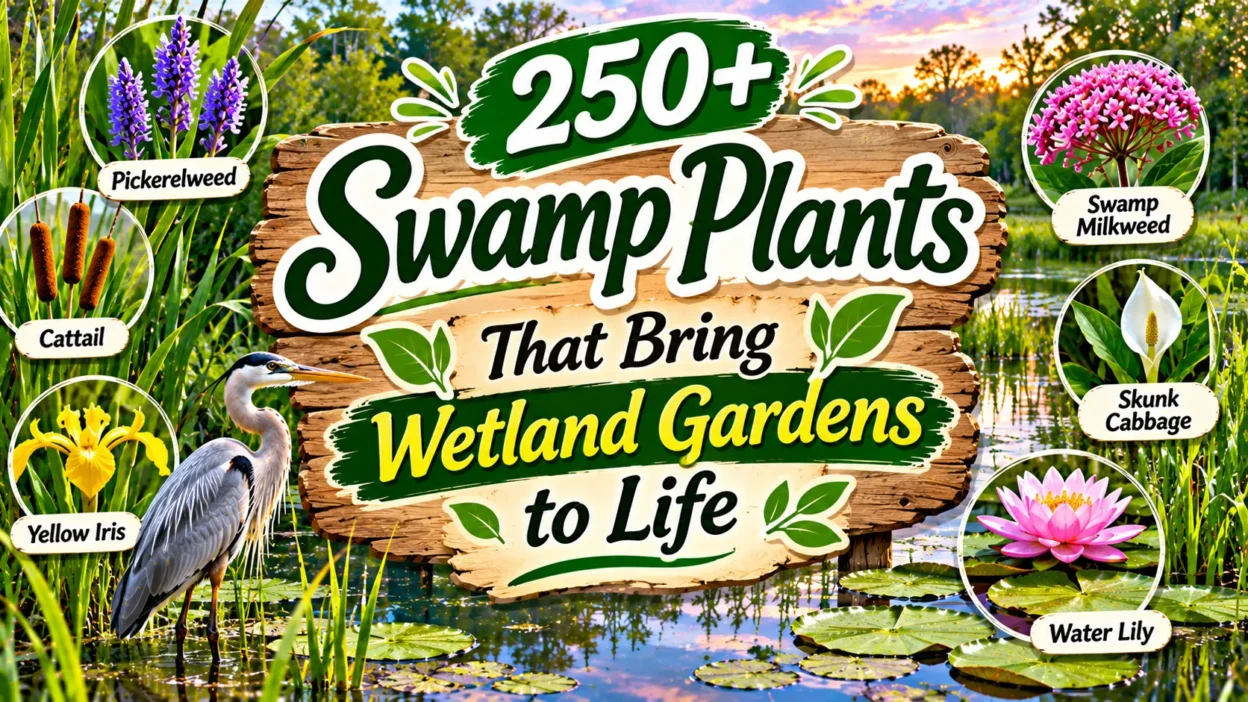
Swamp plants bring a special kind of beauty to wetlands, marshes, and freshwater habitats. These fascinating plants grow in places where water often covers the soil. Some float across peaceful ponds, while others stand tall above muddy banks. Their shapes, colors, and growing habits make them interesting additions to natural landscapes. Whether you love gardening, nature photography, or botanical discoveries, exploring swamp plants opens up an exciting world of greenery.
Many wetland species also play important roles in their ecosystems. They provide shelter for frogs, insects, birds, and other wildlife. Additionally, their roots help stabilize muddy soil and support healthy water environments. Popular examples include cattails, water lilies, pickerelweed, swamp milkweed, and bald cypress. Each plant has its own appearance and preferred growing conditions. Some thrive in shallow freshwater, while others tolerate seasonal flooding and saturated ground.
Finding the right plant names can also help you identify species for educational projects, landscaping ideas, and nature-inspired collections. This guide brings together beautiful, unusual, native, and ornamental wetland plant names. You’ll discover aquatic flowers, marsh grasses, floating plants, and trees that flourish in damp environments. We’ve also included practical information to help beginners understand wetland gardening. So, explore these swamp plant names and discover which species make the natural world even more fascinating.
Which Plants Grow Best in Swamps and Wetlands?
Swamp plants thrive in waterlogged soil, shallow freshwater, and humid environments. Common examples include cattails, water lilies, lotus, pickerelweed, and swamp milkweed.
Other popular wetland species include marsh marigold, water iris, sedges, and bald cypress. Their different adaptations help them survive flooding and saturated soil.
🌿 Beautiful Swamp Plant Names
Beautiful swamp plants add natural color and texture to marshes, ponds, and wetland gardens. These species include elegant flowers, lush foliage, and attractive aquatic greenery. Explore these names to discover plants that make water-rich landscapes more inviting.
- Water Lily
- Blue Flag Iris
- Swamp Milkweed
- Marsh Marigold
- Pickerelweed
- American Lotus
- Purple Loosestrife
- Cardinal Flower
- Swamp Rose
- Blue Vervain
- Bog Rosemary
- Water Forget-Me-Not
- Swamp Hibiscus
- Turtlehead
- Joe Pye Weed
- Marsh Pink
- Water Poppy
- Pickerel Rush
- Swamp Sunflower
- Bog Bean
- White Water Lily
- Yellow Pond Lily
- Marsh Bellflower
- Swamp Azalea
- Blue Water Hyacinth
- Water Canna
- Swamp Gentian
- Marsh Blue Violet
- Water Smartweed
- Swamp Saxifrage
- Bog Laurel
- Floating Heart
- Water Shield
- Marsh Skullcap
- Swamp Buttercup
- Water Primrose
- Bog Orchid
- Marsh Cinquefoil
- Swamp Verbena
- Water Avens
🌱 Native Swamp Plants Found in Natural Wetlands
Native swamp plants grow naturally in particular regions and support local wildlife. They often adapt well to regional rainfall, soil conditions, and seasonal flooding. These names are useful when exploring native landscaping and ecological restoration.
- Bald Cypress
- Swamp Tupelo
- Red Maple
- River Birch
- Buttonbush
- Sweetbay Magnolia
- Black Willow
- Swamp White Oak
- Atlantic White Cedar
- American Sycamore
- Black Gum
- Swamp Chestnut Oak
- Green Ash
- Red Osier Dogwood
- Elderberry
- American Hornbeam
- Swamp Dogwood
- Virginia Sweetspire
- Swamp Privet
- Spicebush
- Button Snakeroot
- Marsh Elder
- American Water Plantain
- Broadleaf Arrowhead
- Soft Rush
- Woolgrass
- Tussock Sedge
- Bluejoint Grass
- Southern Blue Flag
- Swamp Smartweed
- Marsh Fern
- Cinnamon Fern
- Royal Fern
- Sensitive Fern
- Swamp Saxifrage
- Marsh St. John’s Wort
- Water Parsnip
- Swamp Dock
- Swamp Loosestrife
- Common Boneset
💧 Aquatic Swamp Plants for Ponds and Water Gardens
Aquatic wetland plants grow in or around freshwater bodies. Some float freely, while others anchor their roots beneath the water. These swamp plant varieties create beautiful pond environments and support aquatic wildlife.
- Common Duckweed
- Giant Duckweed
- Water Lettuce
- Water Hyacinth
- Frogbit
- Watermeal
- Spatterdock
- Yellow Water Lily
- White Water Lily
- Fragrant Water Lily
- American Lotus
- Water Hawthorn
- Water Shield
- Floating Pondweed
- Curly Pondweed
- Sago Pondweed
- American Pondweed
- Hornwort
- Coontail
- Water Stargrass
- Tape Grass
- Wild Celery
- Water Crowfoot
- Fanwort
- Water Milfoil
- Parrot Feather
- Waterweed
- Elodea
- Hydrilla
- Bladderwort
- Water Buttercup
- Water Pennywort
- Water Clover
- Floating Heart
- Water Poppy
- Yellow Floating Heart
- Water Chestnut
- Water Smartweed
- Water Marigold
- Water Moss
🌾 Marsh Grass and Swamp Grass Names
Marsh grasses give wetlands their familiar tall, waving appearance. Their stems and roots help protect shorelines from erosion. These grasses and grass-like plants also offer food and shelter for many wetland animals.
- Smooth Cordgrass
- Saltmeadow Cordgrass
- Common Reed
- Giant Reed
- Prairie Cordgrass
- Bluejoint Grass
- Switchgrass
- Big Bluestem
- Little Bluestem
- Wild Rice
- Rice Cutgrass
- Reed Canary Grass
- Soft Rush
- Hard Rush
- Blackgrass
- Saltgrass
- Seashore Paspalum
- Maidencane
- Sawgrass
- Giant Cutgrass
- Beaked Sedge
- Fox Sedge
- Tussock Sedge
- Bottlebrush Sedge
- Woolgrass
- Slough Sedge
- Lake Sedge
- Three-Square Bulrush
- Softstem Bulrush
- Hardstem Bulrush
- Giant Bulrush
- Common Spike Rush
- Creeping Spike Rush
- Chairmaker’s Rush
- Needle Rush
- Marsh Fimbry
- Saltmeadow Rush
- Water Horsetail
- Common Cattail
- Narrowleaf Cattail
🌸 Flowering Swamp Plants with Colorful Blooms
Flowering swamp plants bring beautiful colors to waterlogged landscapes. Their blooms attract pollinators and make natural wetlands visually interesting. Some produce bright yellow flowers, while others display purple, pink, or white petals.
- Swamp Rose Mallow
- Scarlet Rose Mallow
- Blue Pickerelweed
- Purple Pickerelweed
- Marsh Marigold
- Cardinal Flower
- Blue Flag Iris
- Yellow Flag Iris
- Swamp Milkweed
- Rose Milkweed
- Spotted Joe Pye Weed
- Sweet Joe Pye Weed
- Marsh Hibiscus
- Swamp Sunflower
- Water Canna
- Yellow Pond Lily
- White Pond Lily
- Fragrant Water Lily
- Marsh Pink
- Purple Loosestrife
- Blue Vervain
- Great Blue Lobelia
- Turtlehead
- Monkey Flower
- Marsh Skullcap
- Water Primrose
- Swamp Gentian
- Bog Orchid
- Marsh St. John’s Wort
- Swamp Candles
- Water Willow
- Marsh Fleabane
- Swamp Buttercup
- Bog Aster
- Marsh Bellflower
- Water Avens
- Swamp Saxifrage
- Blue Waterleaf
- Swamp Violet
- Bog Goldenrod
🌳 Swamp Trees That Thrive in Wet Soil
Swamp trees develop special adaptations that help them survive saturated ground. Many have strong root systems and tolerate seasonal flooding. Their canopies provide shade, while their branches create nesting areas for birds.
- Bald Cypress
- Pond Cypress
- Water Tupelo
- Swamp Tupelo
- Black Gum
- Red Maple
- Silver Maple
- Swamp White Oak
- Pin Oak
- Willow Oak
- Overcup Oak
- Water Oak
- Swamp Chestnut Oak
- River Birch
- Black Willow
- Weeping Willow
- Eastern Cottonwood
- American Sycamore
- Sweetbay Magnolia
- Southern Magnolia
- Atlantic White Cedar
- Northern White Cedar
- Pond Pine
- Loblolly Pine
- Red Bay
- Green Ash
- Pumpkin Ash
- Box Elder
- Water Hickory
- American Elm
- Slippery Elm
- Hackberry
- Buttonbush
- Red Buckeye
- Black Alder
- River Maple
- Swamp Privet
- Water Locust
- Swamp Dogwood
- Sweetgum
🍃 Evergreen Swamp Plants for Year-Round Greenery
Evergreen wetland plants keep their foliage throughout much of the year. They add structure and color to landscapes during colder months. However, their tolerance for standing water varies by species.
- Atlantic White Cedar
- Southern White Cedar
- Swamp Laurel
- Bog Rosemary
- Leatherleaf
- Labrador Tea
- Inkberry Holly
- Yaupon Holly
- Dwarf Palmetto
- Needle Palm
- Saw Palmetto
- Coastal Sweetpepperbush
- Evergreen Bayberry
- Wax Myrtle
- Southern Magnolia
- Sweetbay Magnolia
- Red Bay
- Pond Pine
- Loblolly Pine
- Virginia Pine
- Bald Cypress
- Pond Cypress
- Eastern Red Cedar
- Northern White Cedar
- Mountain Laurel
- Swamp Azalea
- Bog Laurel
- Sheep Laurel
- Wintergreen
- Creeping Juniper
- Marsh Fern
- Christmas Fern
- Cinnamon Fern
- Royal Fern
- Sensitive Fern
- Leather Fern
- Evergreen Wood Fern
- Chain Fern
- Bracken Fern
- Resurrection Fern
🌼 Small Swamp Plants for Wetland Ground Cover
Small swamp plants can fill open spaces around ponds and marsh edges. Many spread across damp soil and create attractive green carpets. They also provide hiding places for tiny insects and amphibians.
- Creeping Jenny
- Water Pennywort
- Marsh Pennywort
- Moneywort
- Water Clover
- Marsh Violet
- Water Chickweed
- Bog Pimpernel
- Marsh Bedstraw
- Water Starwort
- Floating Heart
- Marsh Speedwell
- Water Hyssop
- Bog Stitchwort
- Marsh Bellflower
- Swamp Saxifrage
- Creeping Buttercup
- Water Buttercup
- Marsh Cinquefoil
- Bog Bean
- Water Forget-Me-Not
- Marsh Forget-Me-Not
- Golden Club
- Water Carpet
- Shoreline Plantain
- Marsh Plantain
- Water Purslane
- Marsh Purslane
- Creeping Spike Rush
- Dwarf Bulrush
- Small Duckweed
- Lesser Duckweed
- Watermeal
- Bog Moss
- Sphagnum Moss
- Sheet Moss
- Haircap Moss
- Marsh Liverwort
- Water Fern
- Azolla
🌿 Medicinal and Traditionally Used Wetland Plants
Several wetland plants have a long history of traditional use. Different communities have valued them for food, crafts, and herbal preparations. Their traditional uses do not automatically establish medical safety or effectiveness.
- Sweet Flag
- Blue Vervain
- Marshmallow
- Swamp Milkweed
- Boneset
- Water Mint
- Wild Mint
- Marsh Mallow
- Cattail
- Broadleaf Arrowhead
- Watercress
- Wild Rice
- American Lotus
- Marsh Marigold
- Jewelweed
- Sweetfern
- Buttonbush
- Willow
- Elderberry
- Sweetbay Magnolia
- Black Willow
- Water Plantain
- Marsh Purslane
- Water Pennywort
- Spotted Joe Pye Weed
- Goldenrod
- Marsh Fleabane
- Blue Flag Iris
- Skunk Cabbage
- Sweet Gale
- Bog Rosemary
- Labrador Tea
- Wintergreen
- Marsh St. John’s Wort
- Water Parsnip
- Pickerelweed
- Wild Celery
- Water Chickweed
- Swamp Saxifrage
- Yellow Pond Lily
🪷Tropical Swamp Plant Names
Tropical wetlands support striking plants with unusual foliage and colorful flowers. Many species grow in warm, humid environments with plenty of moisture. These names include tropical aquatic plants and wetland ornamentals.
- Giant Water Lily
- Amazon Water Lily
- Victoria Water Lily
- Sacred Lotus
- Blue Lotus
- Egyptian White Water Lily
- Tropical Water Lily
- Water Poppy
- Water Snowflake
- Tropical Pickerelweed
- Giant Taro
- Elephant Ear
- Water Canna
- Papyrus
- Dwarf Papyrus
- Umbrella Palm
- Giant Reed
- Water Bamboo
- Swamp Lily
- Spider Lily
- Crinum Lily
- Louisiana Iris
- Yellow Iris
- Blue Water Iris
- Parrot Feather
- Water Hyacinth
- Water Lettuce
- Mosaic Plant
- Sensitive Plant
- Giant Salvinia
- Water Fern
- Azolla
- Frogbit
- Tropical Duckweed
- Water Spinach
- Taro
- Arrowhead Plant
- Water Arum
- Golden Club
- Swamp Hibiscus
🌱 Rare and Unusual Swamp Plant Names
Some wetland plants stand out because of their unusual structures, specialized growing habits, or uncommon flowers. Carnivorous species, floating ferns, and unusual aquatic plants make this category especially interesting. These names are great for botanical research and nature-inspired collections.
- Venus Flytrap
- Purple Pitcher Plant
- Yellow Pitcher Plant
- White Pitcher Plant
- Hooded Pitcher Plant
- Parrot Pitcher Plant
- Sweet Pitcher Plant
- Sundew
- Roundleaf Sundew
- Spoonleaf Sundew
- Threadleaf Sundew
- Bladderwort
- Floating Bladderwort
- Purple Bladderwort
- Humped Bladderwort
- Waterwheel Plant
- Corkscrew Plant
- Water Soldier
- Giant Water Lily
- Water Shield
- Floating Heart
- Golden Club
- Skunk Cabbage
- Dragon’s Mouth Orchid
- Grass Pink Orchid
- Rose Pogonia
- White Fringed Orchid
- Yellow Fringed Orchid
- Bog Orchid
- Grass of Parnassus
- Bog Asphodel
- Bogbean
- Marsh Gentian
- Swamp Candles
- Water Starwort
- Floating Fern
- Giant Salvinia
- Mosquito Fern
- Watermeal
- Quillwort
🌾 Native Marsh and Bog Plant Names
Marshes and bogs support different plant communities. Marshes often contain grasses, sedges, and flowering aquatic plants. Bogs usually have acidic conditions and support mosses, shrubs, and specialized wildflowers.
- Sphagnum Moss
- Bog Rosemary
- Leatherleaf
- Labrador Tea
- Cranberry
- Bog Blueberry
- Bog Laurel
- Sheep Laurel
- Bog Bean
- Cotton Grass
- Hare’s Tail Cottongrass
- Bog Asphodel
- Marsh Marigold
- Grass of Parnassus
- Roundleaf Sundew
- Purple Pitcher Plant
- Yellow Pitcher Plant
- White Pitcher Plant
- Bog Orchid
- Rose Pogonia
- Grass Pink
- Marsh Gentian
- Swamp Candles
- Tussock Sedge
- Woolgrass
- Beaked Sedge
- Carex
- Bog Aster
- Marsh Fleabane
- Marsh Cinquefoil
- Water Avens
- Marsh St. John’s Wort
- Marsh Willowherb
- Bog Pimpernel
- Marsh Pennywort
- Marsh Violet
- Water Forget-Me-Not
- Marsh Bellflower
- Bog Goldenrod
- Bog Cotton
🐸 Swamp Plants for Wildlife and Pond Habitats
Wildlife-friendly swamp plants create healthy habitats for frogs, turtles, fish, and birds. Their roots, leaves, and flowers provide food, nesting materials, and protective cover. These species are valuable choices for natural pond and wetland environments.
- Cattail
- Broadleaf Arrowhead
- Pickerelweed
- Duck Potato
- Softstem Bulrush
- Hardstem Bulrush
- Common Reed
- Wild Rice
- Water Lily
- American Lotus
- Buttonbush
- Swamp Milkweed
- Cardinal Flower
- Marsh Marigold
- Water Smartweed
- Water Plantain
- Water Primrose
- Water Pennywort
- Frogbit
- Duckweed
- Water Lettuce
- Coontail
- Hornwort
- Wild Celery
- Waterweed
- Sago Pondweed
- American Pondweed
- Water Shield
- Floating Heart
- Watercress
- Water Mint
- Blue Flag Iris
- Swamp Rose Mallow
- Marsh Fern
- Cinnamon Fern
- Royal Fern
- Sawgrass
- Woolgrass
- Tussock Sedge
- Spikerush
🌺 Ornamental Swamp Plants for Landscaping
Ornamental swamp plants can transform damp yards into beautiful natural gardens. They offer attractive foliage, colorful blooms, and interesting textures. Choose varieties according to your climate, sunlight, and available water depth.
- Louisiana Blue Iris
- Japanese Water Iris
- Siberian Iris
- Yellow Flag Iris
- Blue Flag Iris
- Scarlet Rose Mallow
- Swamp Hibiscus
- Hardy Hibiscus
- Cardinal Flower
- Great Blue Lobelia
- Marsh Marigold
- Yellow Pond Lily
- White Water Lily
- Pink Water Lily
- Purple Water Lily
- Blue Pickerelweed
- Water Canna
- Papyrus
- Dwarf Papyrus
- Umbrella Sedge
- Fiber Optic Grass
- Corkscrew Rush
- Blue Rush
- Soft Rush
- Golden Club
- Swamp Milkweed
- Turtlehead
- Joe Pye Weed
- Sweet Flag
- Variegated Sweet Flag
- Creeping Jenny
- Water Pennywort
- Water Forget-Me-Not
- Marsh Cinquefoil
- Water Poppy
- Floating Heart
- Swamp Sunflower
- Buttonbush
- Sweetbay Magnolia
- Bald Cypress
🍀 Edible Wetland and Swamp Plant Names
Some wetland plants have edible parts that people have traditionally harvested. However, identification and preparation matter greatly. Never eat a wild plant unless an expert confirms its identity and safety.
- Wild Rice
- Watercress
- Cattail
- American Lotus
- Taro
- Water Spinach
- Arrowhead
- Duck Potato
- Water Chestnut
- Cranberry
- Bog Blueberry
- Elderberry
- Marsh Marigold
- Water Mint
- Wild Mint
- Sweet Flag
- Water Parsnip
- Wild Celery
- Pickerelweed
- Sago Pondweed
- American Pondweed
- Water Clover
- Water Pennywort
- Water Lettuce
- Lotus Root
- Lotus Seed
- Swamp Cabbage
- Skunk Cabbage
- Marsh Purslane
- Water Chickweed
- Bog Bean
- Swamp Rose
- Black Willow
- Sweetbay Magnolia
- Water Plantain
- Marsh Violet
- Yellow Pond Lily
- Water Lily
- Wild Cranberry
- Swamp Milkweed
🌿 How to Choose the Right Swamp Plants for Your Garden
Choosing suitable swamp plants starts with understanding your garden’s water conditions. Some species need permanently wet soil, while others tolerate occasional flooding. Therefore, check the mature size, sunlight needs, and growing depth before planting.
For a small pond, consider water lilies, pickerelweed, and dwarf papyrus. These plants create attractive focal points without requiring a large landscape. Meanwhile, cattails and bulrushes work better in larger wetland areas. Their spreading roots need enough room to develop.
Native wetland plants often make excellent choices because they support local wildlife. They also suit regional weather and growing conditions. Avoid introducing invasive species into natural waterways. Some popular aquatic ornamentals can spread aggressively outside managed gardens.
🌱 How to Care for Swamp Plants Successfully
Most swamp plants prefer moist soil, but their individual requirements can differ. Start by identifying whether your chosen species grows underwater, floats, or stands in shallow water. This simple step helps prevent planting mistakes.
Sunlight also affects plant growth and flowering. Water lilies generally need plenty of sunshine for healthy blooms. However, some ferns and woodland wetland plants prefer partial shade. Check each plant’s growing requirements before selecting its location.
Use suitable aquatic soil for pond plants instead of ordinary lightweight potting mixes. Regular garden compost may cloud the water. Additionally, remove dead leaves to maintain a cleaner growing environment. Divide spreading plants when they become overcrowded.
💧 Why Swamp Plants Matter for Healthy Ecosystems
Swamp plants perform several important jobs in freshwater ecosystems. Their roots hold wet soil together and reduce shoreline erosion. Their stems also slow moving water and help trap sediment.
Wetland vegetation provides essential habitats for insects, amphibians, fish, and birds. Flowering species attract pollinators, while dense vegetation offers hiding places for small animals. Some aquatic plants also absorb excess nutrients from surrounding water.
Healthy plant communities contribute to balanced wetland environments. However, too much vegetation can create problems in small ponds. Maintain suitable plant coverage and remove invasive growth when necessary. A balanced wetland supports both plants and wildlife.
Frequently Asked Questions About Swamp Plants
What are the most common swamp plants?
Common swamp plants include cattails, water lilies, pickerelweed, bulrushes, and swamp milkweed. Bald cypress and water tupelo also grow in many swamp forests.
These plants tolerate wet soil and seasonal flooding. Their different structures provide food and shelter for wetland wildlife.
Which plants grow in standing water?
Water lilies, duckweed, water lettuce, hornwort, and American lotus can grow in standing water. Some float on the surface, while others anchor their roots underwater.
Always check the required water depth before planting. Different aquatic species need different growing conditions.
Are swamp plants good for ponds?
Yes, many swamp plants make excellent pond additions. Water lilies provide shade, while pickerelweed and cattails add attractive shoreline vegetation.
They can also create habitats for aquatic insects and other wildlife. However, control spreading species to prevent overcrowding.
What is the difference between marsh plants and swamp plants?
Marsh plants generally grow in open wetlands dominated by grasses, sedges, and flowering herbs. Swamps usually contain more shrubs and trees.
Both environments contain water-loving vegetation. Their plant communities depend on water depth, soil conditions, and climate.
Which swamp plants have beautiful flowers?
Cardinal flower, swamp hibiscus, water lily, pickerelweed, and marsh marigold produce attractive flowers. Their colors include red, pink, purple, yellow, and white.
These species add natural beauty to wetland landscapes. Many also attract butterflies and other pollinators.
Do swamp plants need full sunlight?
Not all swamp plants require full sunlight. Water lilies and many flowering aquatic plants prefer sunny locations.
Ferns and certain woodland wetland species tolerate partial shade. Always match sunlight conditions with the plant’s natural growing requirements.
Can swamp plants survive in freshwater?
Yes, many swamp plants naturally thrive in freshwater environments. Cattails, bald cypress, pickerelweed, and water lilies are familiar examples.
However, some wetland plants prefer brackish or salty conditions. Check the species’ habitat requirements before planting.
Which swamp plants are easiest for beginners?
Duckweed, pickerelweed, water lilies, and certain rushes are popular choices for beginner pond gardeners. Their growing needs are relatively straightforward when conditions suit the species.
Start with a few plants and monitor their growth. Avoid aggressive spreaders in small ponds.
Conclusion
Exploring swamp plants reveals an incredible variety of flowers, grasses, trees, and aquatic species. From beautiful water lilies to towering bald cypress trees, every plant contributes something special to wetland ecosystems. These plants also support wildlife, protect shorelines, and create beautiful natural landscapes. Whether you’re planning a pond garden, researching native vegetation, or simply learning botanical names, this collection offers plenty of inspiration. Choose species that match your local climate and water conditions. With the right selection, swamp plants can bring natural beauty and ecological value to any suitable wetland space.

James Anderson is a passionate floral writer and lifestyle content creator with a love for nature, creativity, and meaningful moments. With a keen eye for beauty and detail, he shares insights on flowers, gifting ideas, floral trends, and special occasion inspiration. Through Florenzay, James aims to help people express emotions and create unforgettable memories through the timeless charm of flowers. 🌸