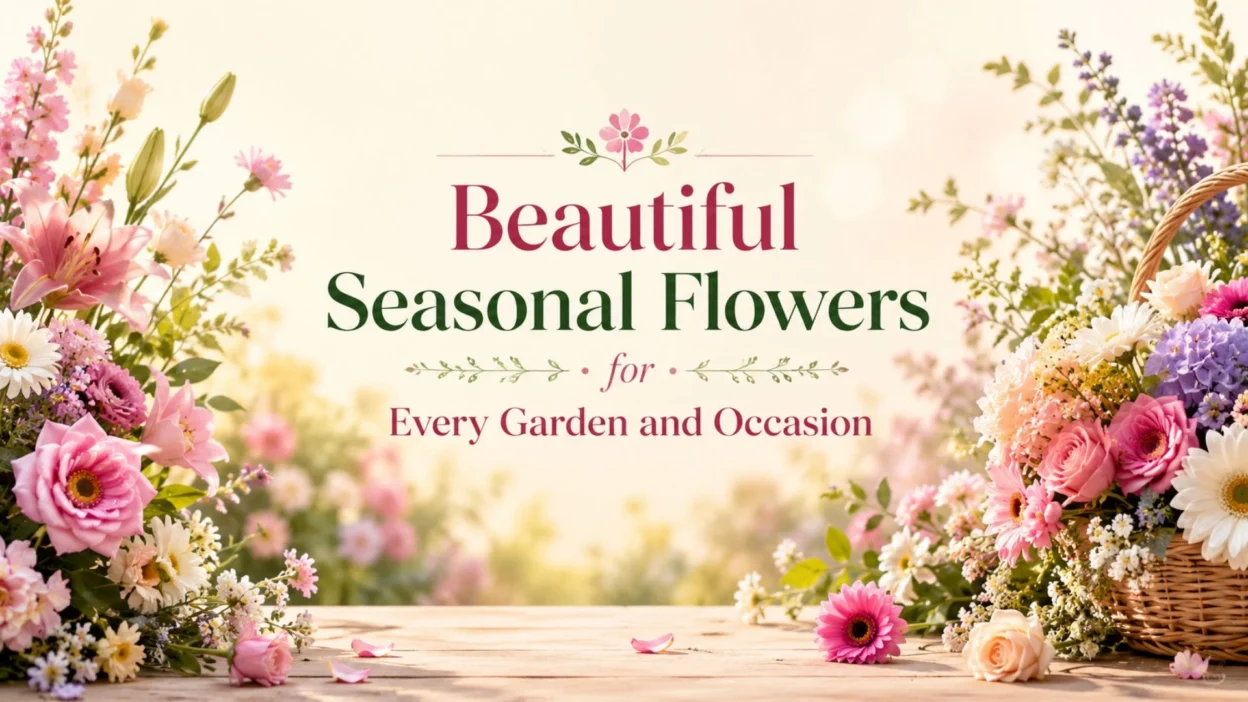
Seasonal flowers bring unmatched beauty and joy to any garden or home throughout the year. These natural wonders follow the rhythm of nature, appearing exactly when conditions are perfect for their growth. Seasonal flowers offer the brightest colors, the freshest scents, and the longest blooming periods because they grow in their ideal climate. Many gardeners prefer planting seasonal flowers over forced blooms because they require less maintenance and look more vibrant. Whether you have a sprawling backyard or a small balcony, seasonal flowers can transform any space into a colorful paradise.
Understanding seasonal flowers helps you plan a garden that looks gorgeous in every month of the year. You can enjoy cheerful tulips in spring, brilliant sunflowers in summer, warm chrysanthemums in fall, and delicate hellebores in winter. Each season brings its own palette of colors and textures that never gets boring. With the right knowledge, you can have fresh blooms cutting from your garden for every holiday and special occasion.
What Months Do Seasonal Flowers Bloom Across the Year
Seasonal flowers bloom in specific windows tied to temperature and daylight hours. Spring flowers typically appear from March through May, including tulips, daffodils, and hyacinths. Summer flowers bloom from June through August, offering sunflowers, zinnias, and marigolds. Fall flowers peak from September through November, with chrysanthemums, asters, and goldenrod. Winter flowers bloom from December through February, featuring hellebores, camellias, and witch hazel.
Spring Seasonal Flowers That Brighten Your Garden
Spring is the season of renewal when nature wakes up from its winter sleep. These spring seasonal flowers bring vibrant colors after the long gray months. They are perfect for planting in early spring for a spectacular show.
- Tulip
- Daffodil
- Hyacinth
- Crocus
- Snowdrop
- Primrose
- Pansy
- Viola
- Bleeding Heart
- Lily of the Valley
- Forsythia
- Magnolia
- Cherry Blossom
- Azalea
- Rhododendron
- Camellia
- Hellebore
- Lungwort
- Glory of the Snow
- Grape Hyacinth
- Anemone
- Ranunculus
- Fritillaria
- Scilla
- Puschkinia
- Chionodoxa
- Iris Reticulata
- Dutch Iris
- Spanish Bluebell
- English Bluebell
- Cowslip
- Marsh Marigold
- Trillium
- Virginia Bluebell
- Jack in the Pulpit
- Bloodroot
- Mayapple
- Solomon Seal
- False Solomon Seal
- Lily Turf
Summer Seasonal Flowers That Love the Heat
Summer brings intense sun and warm temperatures that some flowers absolutely adore. These summer seasonal flowers thrive in the heat and reward you with nonstop color. They are ideal for cut flower arrangements and attracting pollinators.
- Sunflower
- Zinnia
- Marigold
- Cosmos
- Geranium
- Petunia
- Begonia
- Impatiens
- Portulaca
- Verbena
- Lantana
- Salvia
- Celosia
- Amaranthus
- Gomphrena
- Snapdragon
- Stock
- Lisianthus
- Dahlia
- Gladiolus
- Lily
- Daylily
- Canna
- Hibiscus
- Morning Glory
- Moonflower
- Nicotiana
- Four OClock
- Balsam
- Cleome
- Tithonia
- Agapanthus
- Coreopsis
- Rudbeckia
- Echinacea
- Gaillardia
- Liatris
- Monarda
- Phlox
- Hollyhock
Fall Seasonal Flowers for Warm Autumn Colors
Autumn paints the world in rich oranges, reds, and golds. These fall seasonal flowers extend the gardening season well past summer. They look stunning alongside colorful fall foliage and harvest decorations.
- Chrysanthemum
- Aster
- Goldenrod
- Sedum
- Joe Pye Weed
- Ironweed
- Toad Lily
- Turtlehead
- Gentian
- Sneezeweed
- Helenium
- Boltonia
- Aconitum
- Colchicum
- Cyclamen
- Schizostylis
- Anemone Hupehensis
- Physostegia
- Chelone
- Eupatorium
- Solidago
- Actaea
- Cimicifuga
- Kirengeshoma
- Tricyrtis
- Persicaria
- Lespedeza
- Caryopteris
- Ceratostigma
- Plumbago
- Fuchsia
- Nerine
- Amaryllis Belladonna
- Crocus Sativus
- Saffron Crocus
- Stokesia
- Limonium
- Statice
- Ammobium
- Xeranthemum
Winter Seasonal Flowers That Defy the Cold
Winter seems empty of flowers, but some brave blooms appear even in snow. These winter seasonal flowers bring hope and beauty during the darkest months. They are perfect for adding interest to the winter landscape.
- Hellebore
- Camellia
- Witch Hazel
- Snowdrop
- Winter Aconite
- Cyclamen Coum
- Daphne
- Mahonia
- Edgeworthia
- Hamamelis
- Garrya
- Jasmine Nudiflorum
- Lonicera Fragrantissima
- Sarcococca
- Viburnum Tinus
- Primula Vulgaris
- Iris Unguicularis
- Crocus Tommasinianus
- Galanthus
- Eranthis
- Chimonanthus
- Lonicera Purpusii
- Rhododendron Christmas Cheer
- Viburnum Bodnantense
- Cornus Mas
- Jasminum Mesnyi
- Prunus Subhirtella
- Mahonia Japonica
- Sarcococca Confusa
- Daphne Odora
- Edgeworthia Chrysantha
- Hamamelis Mollis
- Lonicera Standishii
- Viburnum Farreri
- Camellia Sasanqua
- Helleborus Niger
- Cyclamen Hederifolium
- Colchicum Autumnale
- Sternbergia
Evergreen Seasonal Flowers That Last All Year
Some plants offer flowers across multiple seasons or keep their foliage beautiful year round. These evergreen seasonal flowers provide structure when other plants go dormant. They are excellent choices for foundation plantings and borders.
- Rose
- Hydrangea
- Lavender
- Rosemary
- Thyme
- Sage
- Catmint
- Coral Bells
- Lenten Rose
- Bergenia
- Candytuft
- Aubrieta
- Rock Cress
- Creeping Phlox
- Moss Phlox
- Wallflower
- Dianthus
- Carnation
- Sweet William
- Pinks
- Soapwort
- Baby Breath
- Gypsophila
- Sea Thrift
- Armeria
- Stonecrop
- Houseleek
- Sempervivum
- Ice Plant
- Delosperma
- Livingstone Daisy
- Mesembryanthemum
- Osteospermum
- Arctotis
- Gazania
- Oleander
- Bougainvillea
- Plumbago
- Lantana Camara
- Fuchsia Magellanica
Native Seasonal Flowers for Local Gardens
Native plants have grown in your region for thousands of years. These native seasonal flowers require less water and care than varieties. They also provide the best food for local birds, bees, and butterflies.
- Black Eyed Susan
- Purple Coneflower
- Bee Balm
- Butterfly Weed
- Milkweed
- Cardinal Flower
- Blue Lobelia
- Great Blue Lobelia
- Ironweed
- Joe Pye Weed
- New England Aster
- New York Aster
- Swamp Sunflower
- Oxeye Sunflower
- Prairie Coneflower
- Gray Headed Coneflower
- Yellow Coneflower
- Pale Purple Coneflower
- Smooth Aster
- Calico Aster
- Heath Aster
- Wreath Goldenrod
- Seaside Goldenrod
- Grass Leaved Goldenrod
- Stiff Goldenrod
- Zigzag Goldenrod
- Blue Wood Aster
- Heart Leaved Aster
- Large Leaved Aster
- White Wood Aster
- Sharp Lobed Hepatica
- Round Lobed Hepatica
- Bloodroot
- Trout Lily
- Dutchmans Breeches
- Squirrel Corn
- Wild Geranium
- Wood Poppy
- Mayapple
- Jack in the Pulpit
Fragrant Seasonal Flowers for Scented Gardens
Some flowers please the nose as much as the eyes. These fragrant seasonal flowers fill your garden with lovely aromas. Plant them near windows, patios, or walkways to enjoy their perfume.
- Lilac
- Peony
- Rose
- Gardenia
- Jasmine
- Honeysuckle
- Sweet Pea
- Stock
- Nicotiana
- Evening Primrose
- Moonflower
- Four OClock
- Lily
- Easter Lily
- Trumpet Lily
- Hyacinth
- Freesia
- Iris
- Violet
- Sweet Violet
- Pansy
- Heliotrope
- Mignonette
- Reseda
- Sweet Alyssum
- Lobelia
- Dianthus
- Carnation
- Pinks
- Wallflower
- Daphne
- Lavender
- Lemon Balm
- Bee Balm
- Bergamot
- Catmint
- Mint
- Scented Geranium
- Rose Scented Geranium
Drought Tolerant Seasonal Flowers for Dry Climates
Water is precious in many regions, but you can still have beautiful blooms. These drought tolerant seasonal flowers thrive with very little irrigation. They are perfect for xeriscaping and low maintenance gardens.
- Lavender
- Rosemary
- Sage
- Thyme
- Oregano
- Marjoram
- Yarrow
- Achillea
- Blanket Flower
- Gaillardia
- Penstemon
- Beardtongue
- Salvia
- Russian Sage
- Perovskia
- Butterfly Bush
- Buddleia
- Rock Rose
- Cistus
- Bush Morning Glory
- Convolvulus
- Globe Thistle
- Echinops
- Sea Holly
- Eryngium
- Statice
- Limonium
- Strawflower
- Xerochrysum
- Paper Daisy
- Rhodanthe
- Everlasting Daisy
- Helichrysum
- Licorice Plant
- Helichrysum Petiolare
- Dusty Miller
- Senecio
- Lamb Ears
- Stachys
- Artemisia
Climbing Seasonal Flowers for Vertical Spaces
Make use of fences, trellises, and walls with climbing flowers. These climbing seasonal flowers add height and drama to any garden. They also provide shade and privacy when grown on pergolas or arbors.
- Clematis
- Wisteria
- Honeysuckle
- Jasmine
- Trumpet Vine
- Campsis
- Climbing Rose
- Rambling Rose
- Morning Glory
- Ipomoea
- Moonflower
- Black Eyed Susan Vine
- Thunbergia
- Cypress Vine
- Cardinal Climber
- Canary Creeper
- Nasturtium
- Tropaeolum
- Sweet Pea
- Lathyrus
- Hyacinth Bean
- Dolichos
- Purple Bell Vine
- Rhodochiton
- Cup and Saucer Vine
- Cobaea
- Chilean Bellflower
- Lapageria
- Blue Passionflower
- Passiflora
- Red Passionflower
- Maypop
- Coral Honeysuckle
- Lonicera Sempervirens
- Crossvine
- Bignonia
- Carolina Jessamine
- Gelsemium
- Star Jasmine
- Trachelospermum
Seasonal Flowers That Attract Pollinators
Help save the bees and butterflies with these pollinator friendly blooms. These seasonal flowers provide nectar and pollen when other food sources are scarce. Plant a variety to feed pollinators across all four seasons.
- Bee Balm
- Butterfly Weed
- Milkweed
- Purple Coneflower
- Black Eyed Susan
- Goldenrod
- Aster
- Joe Pye Weed
- Ironweed
- Blazing Star
- Liatris
- Gayfeather
- Hyssop
- Agastache
- Anise Hyssop
- Catmint
- Nepeta
- Lavender
- Salvia
- Sage
- Penstemon
- Turtlehead
- Chelone
- Cardinal Flower
- Lobelia Cardinalis
- Great Blue Lobelia
- Lobelia Siphilitica
- Blue Vervain
- Verbena Hastata
- Hoary Vervain
- Verbena Stricta
- Ironweed
- Vernonia
- Swamp Milkweed
- Butterfly Milkweed
- Common Milkweed
- Prairie Milkweed
- Whorled Milkweed
- Green Comet Milkweed
- Showy Milkweed
How to Choose the Best Seasonal Flowers for Your Garden
Start by observing your garden’s sunlight patterns throughout the day. Some seasonal flowers need full sun, while others thrive in partial or full shade. Check your soil type and drainage before buying any plants. Sandy soil drains fast and suits drought tolerant flowers. Clay soil holds water and works well for moisture loving blooms. Consider your hardiness zone to ensure flowers survive winter in your area. Local extension offices provide free planting calendars for your specific region. Mix early, mid, and late blooming varieties for continuous color.
Easy Care Tips for Healthy Seasonal Flowers
Water your seasonal flowers deeply but less often to encourage strong root growth. Morning watering is best because it reduces evaporation and prevents leaf diseases. Remove faded blooms regularly to encourage more flowers throughout the season. This process, called deadheading, tricks plants into producing more blooms. Add a two inch layer of mulch around your flowers to keep soil moist and cool. Mulch also blocks weeds that compete for water and nutrients. Feed your flowers with compost or organic fertilizer according to package directions.
Common Mistakes to Avoid When Growing Seasonal Flowers
Planting at the wrong time is the most common mistake new gardeners make. Each seasonal flower has a specific planting window for success in your area. Overwatering kills more plants than underwatering by causing root rot. Always check soil moisture with your finger before reaching for the hose. Crowding plants too close together leads to poor air flow and disease problems. Give each seasonal flower the spacing recommended on its plant tag or seed packet. Ignoring pest problems allows small issues to become big infestations quickly. Check your plants weekly for signs of trouble like holes, spots, or wilting.
Seasonal Flowers for Cut Flower Arrangements
Bringing garden blooms inside lets you enjoy seasonal flowers every single day. Certain varieties last much longer in vases than others do after cutting. Harvest flowers in the cool morning hours when plants are fully hydrated. Use sharp, clean shears to make cuts at a 45 degree angle for better water uptake. Remove any leaves that would sit below the water line in your vase. Place cut flowers in warm water immediately after bringing them inside. Change the vase water every two days to keep your arrangement fresh longer.
Seasonal Flowers for Containers and Small Spaces
You do not need a big yard to enjoy beautiful seasonal flowers throughout the year. Many compact varieties grow perfectly in pots on balconies, patios, or window boxes. Choose containers with drainage holes to prevent water from pooling around roots. Use high quality potting mix rather than garden soil for better drainage and nutrition. Match the pot size to the mature size of your seasonal flowers for healthy growth. Small pots dry out quickly, so check container plants for water every single day. Group several pots together to create a mini garden display on your balcony or deck.
Seasonal Flowers for Weddings and Special Events
Seasonal flowers cost less and look better than imported out of season blooms. They also have a lower carbon footprint and support local flower farmers. Spring weddings shine with tulips, peonies, lilacs, and delicate sweet peas. Summer celebrations burst with sunflowers, dahlias, zinnias, and romantic garden roses. Autumn events glow with chrysanthemums, asters, goldenrod, and warm colored celosia. Winter weddings sparkle with hellebores, camellias, paperwhites, and evergreen foliage.
FAQs
When should I plant seasonal flowers in my garden?
The best planting time depends on your local climate and the specific flower type. Spring blooming bulbs like tulips and daffodils must be planted in fall before the ground freezes. Summer annuals like marigolds and zinnias go into the ground after the last spring frost date. Check your USDA hardiness zone and local extension office for exact planting calendars in your area.
Can seasonal flowers grow in pots and containers?
Yes, many seasonal flowers grow beautifully in pots, hanging baskets, and window boxes. Choose compact or dwarf varieties that are bred specifically for container growing. Use a high quality potting mix with drainage holes and water more frequently than garden plants. Container soil dries out faster than ground soil, especially during hot summer weather.
How often should I water my seasonal flowers?
Water deeply when the top inch of soil feels dry to the touch rather than on a fixed schedule. Morning watering is ideal because it allows foliage to dry before evening, preventing fungal diseases. Potted plants may need daily water during hot weather while garden plants need water once or twice weekly. Always check soil moisture with your finger before reaching for the hose.
Do seasonal flowers come back every year?
Some seasonal flowers are perennials that return year after year from the same root system. Others are annuals that complete their life cycle in one season and must be replanted each spring. Biennials grow leaves in their first year and bloom in their second year before dying. Read plant tags or seed packets carefully to understand what type you are buying.
What are the easiest seasonal flowers for beginners?
Marigolds, sunflowers, zinnias, and pansies are extremely forgiving for first time gardeners. These seasonal flowers germinate quickly, tolerate some neglect, and bloom abundantly with minimal care. Start with nursery grown transplants rather than seeds for even easier success in your first season. Follow basic watering and sunlight guidelines, and you will enjoy beautiful blooms very soon.
Conclusion
Seasonal flowers bring the magic of nature’s calendar right into your own backyard. You can enjoy fresh colors and fragrances in every month of the year with proper planning. Start small by choosing a few varieties that match your sunlight and soil conditions.Your garden will become a living canvas that changes beautifully with each passing season. The joy of watching your first bloom open makes all the effort worthwhile.

James Anderson is a passionate floral writer and lifestyle content creator with a love for nature, creativity, and meaningful moments. With a keen eye for beauty and detail, he shares insights on flowers, gifting ideas, floral trends, and special occasion inspiration. Through Florenzay, James aims to help people express emotions and create unforgettable memories through the timeless charm of flowers. 🌸