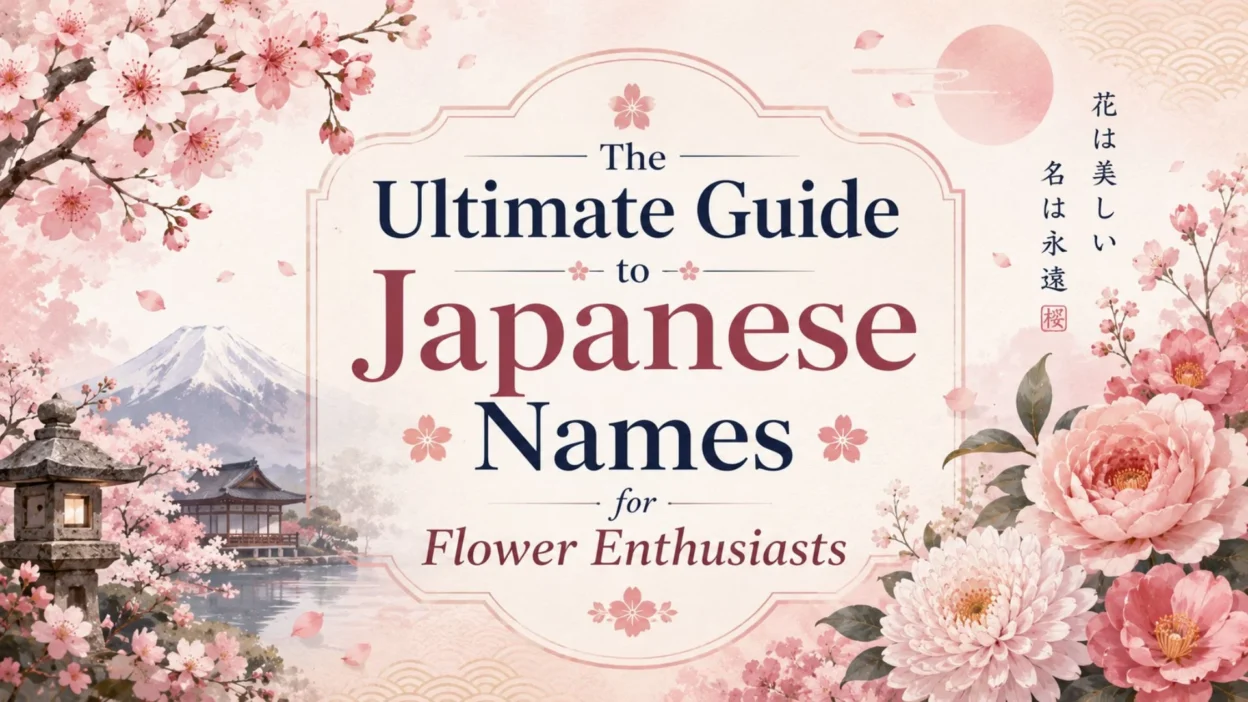
Japanese names for flower carry deep cultural significance and poetic beauty. These names have been cherished for generations, often reflecting the delicate relationship between nature and human emotion in Japanese culture. Parents seeking a meaningful name for their daughter frequently turn to these floral inspirations because they evoke grace, elegance, and natural charm. The tradition of naming children after flowers dates back centuries in Japan.
Unlike Western flower names, Japanese floral names often incorporate subtle meanings about seasons, transience, and renewal. Many of these names are tied to specific times of the year, making them even more special for babies born during certain months. Whether you have Japanese heritage or simply appreciate the language’s lyrical quality, these names offer something truly unique. The following collection includes both classic choices and modern favorites that continue to gain popularity worldwide.
What Makes Japanese Flower Names So Special and Beloved Worldwide?
Japanese flower names stand out because they blend simplicity with profound meaning. Unlike longer Western botanical names, these names typically have two or three syllables, making them easy to pronounce across many languages. The cultural concepts of wabi-sabi (finding beauty in imperfection) and mono no aware (awareness of transience) are woven into these floral names, giving them emotional depth that resonates with people everywhere. Many international parents now choose these names for their elegant sound and meaningful backstories.
Sakura Inspired Japanese Names for Flower
Sakura is perhaps the most famous Japanese flower name worldwide. These cherry blossom inspired names evoke springtime, renewal, and fleeting beauty. The following names all connect to sakura or its delicate pink petals.
- Sakura
- Sakurako
- Sakurae
- Sakuri
- Sakumo
- Sakuro
- Sakuna
- Sakuraka
- Sakurano
- Sakurako
- Sakurie
- Sakurina
- Sakurisa
- Sakurimi
- Sakurio
- Sakurua
- Sakurumi
- Sakurano
- Sakurae
- Sakurahi
- Sakurai
- Sakuraji
- Sakuraki
- Sakurane
- Sakurao
- Sakurare
- Sakurase
- Sakurata
- Sakuraue
- Sakurava
- Sakuraza
- Sakuriko
- Sakurina
- Sakurisa
- Sakurita
- Sakuriza
- Sakurano
- Sakuraha
- Sakuramo
- Sakurato
- Sakuraya
Hana Inspired Japanese Names for Flower
Hana simply means flower in Japanese, making it a pure and direct choice. These variations and related names capture the essence of blossoms in their most basic form. Hana remains popular both in Japan and internationally.
- Hana
- Hanako
- Hanaka
- Hanami
- Hanano
- Hanari
- Hanasa
- Hanata
- Hanayo
- Hanoka
- Hanona
- Hanori
- Hanase
- Haname
- Hanabi
- Hanaru
- Hanazu
- Hanagi
- Hanagu
- Hanahi
- Hanaji
- Hanaki
- Hanami
- Hanari
- Hanasa
- Hanasho
- Hanata
- Hanayo
- Hanatsu
- Hanaya
- Hane
- Hani
- Hano
- Hara
- Hari
- Hazu
- Hinata
- Hinako
- Hinano
- Hinari
- Hinasa
Tsubaki Inspired Japanese Names for Flower
Tsubaki refers to the camellia flower, which blooms in winter and early spring. These names represent enduring beauty and faithfulness. Camellias have deep red petals that stand out against snow, making these names perfect for winter babies.
- Tsubaki
- Tsubakiko
- Tsubakina
- Tsubakie
- Tsubakimi
- Tsubakino
- Tsubakiri
- Tsubakisa
- Tsubakita
- Tsubakiya
- Tsubakana
- Tsubakane
- Tsubakari
- Tsubakase
- Tsubakato
- Tsubakuma
- Tsubakuri
- Tsubakusa
- Tsubakuta
- Tsubakuyo
- Tsubakine
- Tsubakomi
- Tsubakora
- Tsubakuka
- Tsubakure
- Tsubakuro
- Tsubakusa
- Tsubakusho
- Tsubakuta
- Tsubaku
- Tsubakya
- Tsubakyo
- Tsubakyu
- Tsubakyo
- Tsubakage
- Tsubakami
- Tsubakano
- Tsubakari
- Tsubakasa
- Tsubakayo
Ume Inspired Japanese Names for Flower
Ume means plum blossom, which signals the end of winter in Japan. These names symbolize resilience and hope. Plum blossoms bloom earlier than cherry blossoms, often while snow still falls, making them symbols of perseverance.
- Ume
- Umeko
- Umena
- Umeri
- Umesa
- Umeta
- Umeya
- Umeka
- Umeki
- Umeno
- Umera
- Umeshi
- Umeto
- Umezo
- Umeyo
- Umeha
- Umehi
- Umeho
- Umeji
- Umejo
- Umeju
- Umeka
- Umeni
- Umeno
- Umeru
- Umesu
- Umete
- Umeue
- Umeza
- Umechi
- Umeda
- Umefu
- Umegi
- Umeha
- Umei
- Umeji
- Umeka
- Umeko
- Umema
- Umemi
- Umeni
Ayame Inspired Japanese Names for Flower
Ayame refers to the iris flower, known for its elegant purple and blue petals. These names convey nobility and good news. Irises grow near water and are associated with purification and protection in Japanese culture.
- Ayame
- Ayamiko
- Ayamina
- Ayamie
- Ayamimi
- Ayamino
- Ayamiri
- Ayamisa
- Ayamita
- Ayamiya
- Ayamana
- Ayamane
- Ayamari
- Ayamase
- Ayamato
- Ayamuma
- Ayamuri
- Ayamusa
- Ayamuta
- Ayamuyo
- Ayamine
- Ayamomi
- Ayamori
- Ayamura
- Ayamure
- Ayamuro
- Ayamusa
- Ayamushi
- Ayamuta
- Ayamuzu
- Ayameka
- Ayamera
- Ayameya
- Ayameyo
- Ayamehi
- Ayameji
- Ayameko
- Ayameno
- Ayamesa
- Ayameto
Kiku Inspired Japanese Names for Flower
Kiku means chrysanthemum, the flower of the Japanese imperial family. These names represent longevity and joy. Chrysanthemums bloom in autumn and are celebrated during festivals throughout Japan.
- Kiku
- Kikuko
- Kikuna
- Kikue
- Kikumi
- Kikuno
- Kikuri
- Kikusa
- Kikuta
- Kikuya
- Kikuka
- Kikuki
- Kikumo
- Kikura
- Kikuse
- Kikutsu
- Kikuwa
- Kikuyo
- Kikuza
- Kikucho
- Kikuda
- Kikufu
- Kikuga
- Kikuha
- Kikuji
- Kikujo
- Kikuka
- Kikuma
- Kikume
- Kikumu
- Kikune
- Kikuo
- Kikuri
- Kikusa
- Kikusu
- Kikuta
- Kikute
- Kikuwa
- Kikuya
- Kikuyu
Fuji Inspired Japanese Names for Flower
Fuji means wisteria, a cascading purple flower that symbolizes love and tenderness. These names evoke graceful, hanging blossoms that create stunning garden displays in springtime.
- Fuji
- Fujiko
- Fujina
- Fujie
- Fujimi
- Fujino
- Fujiri
- Fujisa
- Fujita
- Fujiya
- Fujika
- Fujiki
- Fujimo
- Fujira
- Fujise
- Fujitsu
- Fujiwa
- Fujiyo
- Fujiza
- Fujichi
- Fujida
- Fujiga
- Fujiha
- Fujiji
- Fujijo
- Fujika
- Fujiko
- Fujimi
- Fujino
- Fujiri
- Fujisa
- Fujita
- Fujitsu
- Fujiwa
- Fujiya
- Fujiyo
- Fujizo
- Fujiyu
- Fujiyo
- Fujira
Ran Inspired Japanese Names for Flower
Ran means orchid, representing luxury, beauty, and strength. These names have an unfamiliar feel that appeals to modern parents. Orchids are prized for their unique shapes and long-lasting blooms.
- Ran
- Ranko
- Ranna
- Ranne
- Ranno
- Ransa
- Ranta
- Ranya
- Ranka
- Ranki
- Ranmo
- Ranra
- Ranri
- Ranse
- Ransu
- Ranwa
- Ranyo
- Ranzo
- Ranchi
- Randa
- Ranga
- Ranha
- Ranji
- Ranjo
- Ranka
- Ranme
- Ranmu
- Ranri
- Ransu
- Ranta
- Rante
- Ranwa
- Ranya
- Ranyu
- Ranzo
- Ranshi
- Ransho
- Ransu
- Ranta
- Rantsu
Yuri Inspired Japanese Names for Flower
Yuri means lily, a flower associated with purity and innocence. These names are simple yet elegant. Lilies come in many colors, each with its own symbolic meaning in Japanese flower language.
- Yuri
- Yuriko
- Yurina
- Yurie
- Yurimi
- Yurino
- Yurisa
- Yurita
- Yuriya
- Yurika
- Yuriki
- Yurimo
- Yurira
- Yurise
- Yurisu
- Yuriwa
- Yuriyo
- Yuriza
- Yurichi
- Yurida
- Yuriga
- Yuriha
- Yuriji
- Yurijo
- Yurika
- Yuriko
- Yurimi
- Yurina
- Yurino
- Yuriri
- Yurisa
- Yurita
- Yurito
- Yuriwa
- Yuriya
- Yuriyo
- Yurizo
- Yuriyu
- Yurika
- Yuriko
Sumire Inspired Japanese Names for Flower
Sumire means violet, a small but resilient spring flower. These names represent modesty and sincerity. Violets hide in shady spots but bloom reliably each year, making them symbols of quiet strength.
- Sumire
- Sumireko
- Sumirena
- Sumirie
- Sumiremi
- Sumireno
- Sumireri
- Sumiresa
- Sumireta
- Sumireya
- Sumireka
- Sumireki
- Sumiremo
- Sumirera
- Sumirese
- Sumiretsu
- Sumirewa
- Sumireyo
- Sumireza
- Sumirechi
- Sumireda
- Sumirega
- Sumireha
- Sumireji
- Sumirejo
- Sumireka
- Sumireko
- Sumiremi
- Sumirena
- Sumireno
- Sumireri
- Sumiresa
- Sumiresu
- Sumireta
- Sumirete
- Sumirewa
- Sumireya
- Sumireyo
- Sumireyu
- Sumirezo
Botan Inspired Japanese Names for Flower
Botan means peony, the king of flowers in Japanese culture. These names represent honor, wealth, and bravery. Peonies have large, lush blooms that command attention in any garden.
- Botan
- Botanko
- Botanna
- Botane
- Botanmi
- Botanno
- Botansa
- Botanta
- Botanya
- Botanka
- Botanki
- Botanmo
- Botanra
- Botanse
- Botansu
- Botanwa
- Botanyo
- Botanza
- Botanchi
- Botanda
- Botanga
- Botanha
- Botanji
- Botanjo
- Botanka
- Botanme
- Botanmu
- Botanri
- Botansu
- Botanta
- Botante
- Botanwa
- Botanya
- Botanyu
- Botanzo
- Botanshi
- Botansho
- Botansu
- Botanta
- Botantsu
Asagao Inspired Japanese Names for Flower
Asagao means morning glory, a flower that blooms briefly at dawn. These names represent fleeting beauty and new beginnings. Morning glories open fresh each day, making them symbols of daily renewal.
- Asagao
- Asagaoko
- Asagaona
- Asagaoe
- Asagaomi
- Asagaono
- Asagaori
- Asagaosa
- Asagaota
- Asagaoya
- Asagaoka
- Asagaoki
- Asagaomo
- Asagaora
- Asagaose
- Asagaosu
- Asagaowa
- Asagaoyo
- Asagoaza
- Asagoachi
- Asagoada
- Asagoaga
- Asagoaha
- Asagoaji
- Asagoajo
- Asagoaka
- Asagoako
- Asagoami
- Asagoana
- Asagoano
- Asagoari
- Asagoasa
- Asagoasu
- Asagoata
- Asagoate
- Asagoawa
- Asagoaya
- Asagoayo
- Asagoayu
- Asagoazo
How to Choose the Perfect Japanese Flower Name for Your Baby
Selecting a name from Japanese names for flower requires consideration of several factors. Think about the season when your baby will be born, as many floral names connect to specific times of year. Spring babies suit Sakura or Ume, while summer babies might fit Ayame or Asagao. Autumn babies pair well with Kiku, and winter babies shine with Tsubaki.
Consider the meaning behind each flower as well. Some flowers represent strength and resilience, while others symbolize gentleness and grace. You may want a name that reflects qualities you hope your child will embody. Pronunciation matters too, especially if you live outside Japan. Test how the name sounds with your last name and in your local language.
Common Mistakes When Using Japanese Flower Names
Many people mispronounce Japanese names for flower by placing emphasis on the wrong syllable. Japanese words have flat intonation without strong stress patterns. Another common error is choosing a name with unintended meanings when combined with certain kanji characters. Always research the written characters thoroughly before finalizing a name.
Some parents select names that sound beautiful but have outdated or unusual kanji combinations. Working with a native Japanese speaker or trusted resource can prevent these issues. Avoid names that are too long or difficult for others to remember and spell correctly.
The Cultural Significance of Flowers in Japanese Naming Traditions
Flowers have played a central role in Japanese naming for over a thousand years. The practice began among nobility who named their daughters after seasonal blooms found in imperial gardens. Over time, these traditions spread to all social classes. Each flower carries specific meanings derived from poetry, folklore, and religious practices.
The Japanese imperial family has used chrysanthemum symbols for centuries, making Kiku a name of high status. Cherry blossoms represent the samurai spirit of living fully before falling. These cultural layers add depth to Japanese names for flower that simple botanical names from other languages often lack.
Tips for Pairing Japanese Flower Names with Surnames
When combining Japanese names for flower with surnames, pay attention to syllable flow and rhythm. Names with two or three syllables generally pair well with most surnames. Avoid combinations where the last sound of the first name matches the first sound of the last name, as this creates awkward repetition.
Consider using a shorter nickname for daily use while keeping the full floral name for official purposes. Many Japanese families also choose middle names that complement the flower name’s meaning. Test the full name by saying it aloud multiple times in different contexts before making your final decision.
Modern Trends in Japanese Flower Names
Contemporary parents are reviving rare Japanese names for flower that had fallen out of fashion. Names like Sumire and Tsubaki have seen renewed interest in recent years. Shorter names with modern sounds, such as Ran and Hana, remain consistently popular across generations.
Some parents now create new combinations using traditional flower kanji with modern pronunciations. This trend allows for unique names that still honor cultural heritage. International interest in Japanese names continues to grow, with many non-Japanese parents choosing these floral names for their beautiful meanings and sounds.
FAQs
What is the most popular Japanese name that means flower?
Hana is the most directly popular Japanese name meaning flower. It has remained consistently beloved for generations due to its simple beauty and easy pronunciation. Sakura closely follows as another top choice worldwide.
Are Japanese flower names only for girls?
Most traditional Japanese names for flower are used for girls, though some variations work for any gender. Names like Ren (lotus) and Kai (sea or shell) have floral connections and are used for boys. The trend toward gender-neutral naming is slowly growing in Japan.
How do you write Japanese flower names in kanji?
Each flower has specific kanji characters. Sakura uses characters for cherry and blossom. Ume uses plum and flower. Working with a native speaker ensures correct character selection, as some kanji have multiple readings and meanings.
Can I use a Japanese flower name if I am not Japanese?
Many families worldwide use Japanese names for flower without Japanese heritage. However, take time to learn correct pronunciation and meaning before choosing. Respect for the culture matters more than ethnic background when selecting these names.
What Japanese flower name means lotus?
Ren and Hasu are Japanese names referring to the lotus flower. The lotus holds special significance in Buddhist traditions, representing purity rising from muddy water. These names remain less common but deeply meaningful choices.
Conclusion
Japanese names for flower offer timeless beauty, rich cultural meaning, and elegant sound patterns that appeal to parents worldwide. From the famous cherry blossoms of Sakura to the modest violet of Sumire, each name carries unique symbolism worth celebrating. Take time to explore meanings, pronunciations, and kanji options before making your choice. The perfect floral name awaits you in this beautiful tradition.

James Anderson is a passionate floral writer and lifestyle content creator with a love for nature, creativity, and meaningful moments. With a keen eye for beauty and detail, he shares insights on flowers, gifting ideas, floral trends, and special occasion inspiration. Through Florenzay, James aims to help people express emotions and create unforgettable memories through the timeless charm of flowers. 🌸