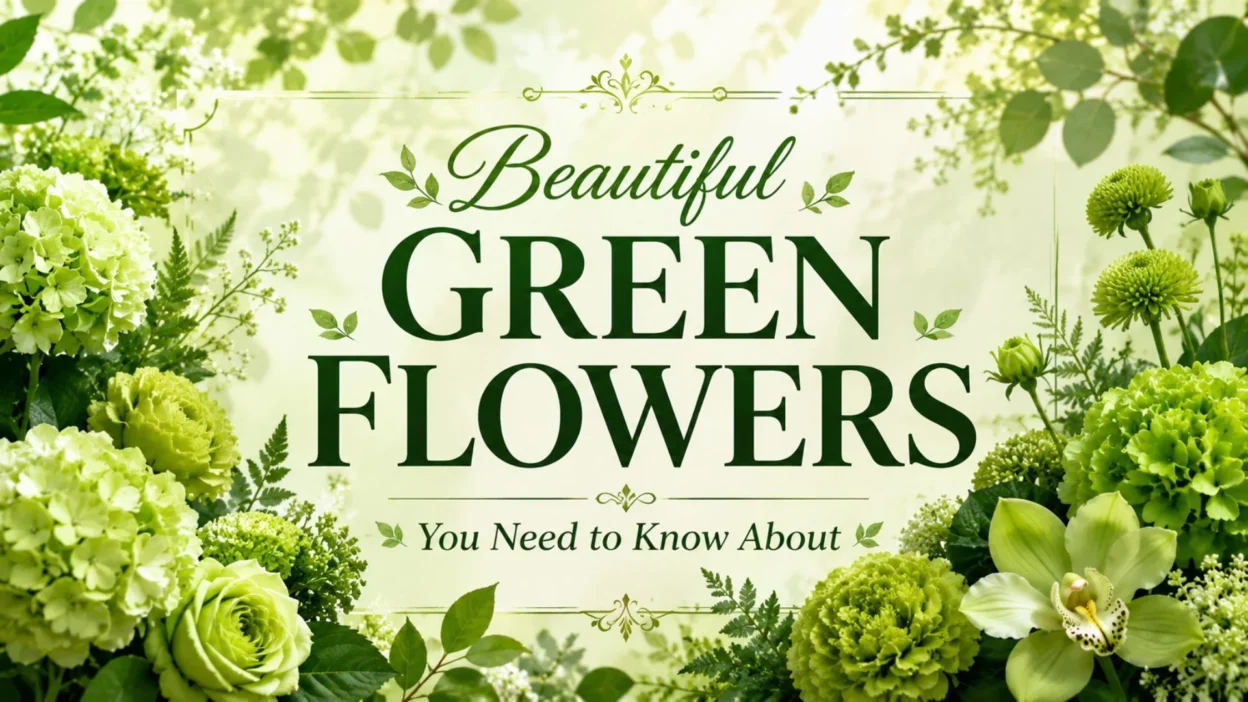
Green flowers are one of nature’s most fascinating and underrated treasures. While many gardeners chase bright reds and yellows, green blooms offer a refreshing, sophisticated touch that complements any landscape. The term green flowers refers to blossoms that display various shades of green, from pale lime to deep forest. These unique plants add texture and calmness to bouquets and gardens alike. Many people overlook flowers, but they are actually quite versatile and stunning. They work beautifully as filler flowers in arrangements or as statement pieces in a monochromatic garden. Some green blooms appear almost chartreuse, while others have a soft, muted sage tone. Whether you are a seasoned gardener or just starting out, adding flowers can elevate your outdoor space. They pair wonderfully with white, purple, and pink blooms for a balanced look. Let us explore the most amazing green flower names you should know.
What Are the Most Popular Green Flowers People Grow Today?
The most popular green flowers include Bells of Ireland, Zinnias, and Chrysanthemums. Green Hellebores and Lady’s Mantle are also common favorites among gardeners. These plants are loved for their long blooming seasons and easy care requirements.
Green Flower Names for Garden Enthusiasts
If you love spending time in your garden, these green flower names will spark your curiosity. Each bloom brings something special to any outdoor space. Many of these plants are perennials that come back year after year. Others are annuals that provide instant color for one amazing season. You can mix and match them for a truly unique garden design.
- Bells of Ireland
- Green Zinnia
- Green Chrysanthemum
- Green Hellebore
- Lady’s Mantle
- Green Rose
- Green Tulip
- Green Dahlia
- Green Carnation
- Green Orchid
- Green Hydrangea
- Green Cymbidium
- Green Dianthus
- Green Lisianthus
- Green Ranunculus
- Green Anthurium
- Green Calla Lily
- Green Gladiolus
- Green Freesia
- Green Aster
- Green Scabiosa
- Green Veronica
- Green Delphinium
- Green Echinacea
- Green Rudbeckia
- Green Coreopsis
- Green Gaillardia
- Green Yarrow
- Green Achillea
- Green Aconitum
- Green Agapanthus
- Green Allium
- Green Alstroemeria
- Green Amaryllis
- Green Anemone
- Green Angelica
- Green Anthericum
- Green Aquilegia
- Green Arisaema
- Green Arum
- Green Asclepias
- Green Asparagus Fern
- Green Astilbe
- Green Astrantia
- Green Baptisia
- Green Begonia
Stunning Green Blooms for Floral Arrangements
Green flowers make excellent choices for bouquets and centerpieces. Their neutral tones allow other colors to pop while adding depth. Florists love using these blooms for weddings and special events. You can create a fully green arrangement that feels modern and fresh. These varieties hold up well in vases and stay beautiful for days.
- Green Hydrangea
- Green Dianthus
- Green Lisianthus
- Green Ranunculus
- Green Anthurium
- Green Calla Lily
- Green Gladiolus
- Green Freesia
- Green Aster
- Green Scabiosa
- Green Veronica
- Green Delphinium
- Green Echinacea
- Green Rudbeckia
- Green Coreopsis
- Green Gaillardia
- Green Yarrow
- Green Achillea
- Green Aconitum
- Green Agapanthus
- Green Allium
- Green Alstroemeria
- Green Amaryllis
- Green Anemone
- Green Angelica
- Green Anthericum
- Green Aquilegia
- Green Arisaema
- Green Arum
- Green Asclepias
- Green Asparagus Fern
- Green Astilbe
- Green Astrantia
- Green Baptisia
- Green Begonia
- Green Bellflower
- Green Bergenia
- Green Bletilla
- Green Brunnera
- Green Calendula
- Green Camassia
- Green Campanula
- Green Canna
- Green Carthamus
- Green Catmint
Rare and Unusual Green Flower Varieties
Some green flowers are harder to find but worth the search. These rare blooms become conversation starters in any garden. Collectors and plant enthusiasts seek out these unique specimens. They often have interesting shapes and growing habits. If you want something different, try growing these unusual green flowers.
- Green Jade Vine
- Green Cymbidium Orchid
- Green Paphiopedilum
- Green Encyclia
- Green Masdevallia
- Green Zygopetalum
- Green Helleborus
- Green Arisaema
- Green Arisaema triphyllum
- Green Dracula Orchid
- Green Gongora
- Green Catasetum
- Green Stanhopea
- Green Bulbophyllum
- Green Dendrobium
- Green Oncidium
- Green Vanda
- Green Phalaenopsis
- Green Cattleya
- Green Laelia
- Green Brassavola
- Green Angraecum
- Green Aerangis
- Green Anguloa
- Green Cochleanthes
- Green Comparettia
- Green Cycnoches
- Green Epidendrum
- Green Eria
- Green Gongora
- Green Habenaria
- Green Huntleya
- Green Kefersteinia
- Green Lycaste
- Green Maxillaria
- Green Miltonia
- Green Mormodes
- Green Odontoglossum
- Green Peristeria
- Green Pescatorea
- Green Phragmipedium
- Green Pleione
- Green Promenaea
- Green Psychopsis
- Green Restrepia
Easy to Grow Green Flowers for Beginners
New gardeners need reliable plants that do not require special care. These green flowers are tough, forgiving, and beautiful. They tolerate some neglect and still produce lovely blooms. Start with these if you want almost guaranteed success. You will feel proud watching these flowers thrive in your yard.
- Green Zinnia
- Green Chrysanthemum
- Green Dianthus
- Green Hydrangea
- Green Lady’s Mantle
- Green Bells of Ireland
- Green Nicotiana
- Green Stock
- Green Statice
- Green Gomphrena
- Green Celosia
- Green Amaranthus
- Green Cosmos
- Green Marigold
- Green Petunia
- Green Calibrachoa
- Green Portulaca
- Green Verbena
- Green Lantana
- Green Impatiens
- Green Begonia
- Green Coleus
- Green Plectranthus
- Green Salvia
- Green Agastache
- Green Nepeta
- Green Perovskia
- Green Lavender
- Green Russian Sage
- Green Catmint
- Green Thyme
- Green Oregano
- Green Mint
- Green Lemon Balm
- Green Chamomile
- Green Feverfew
- Green Echinacea
- Green Rudbeckia
- Green Black Eyed Susan
- Green Coreopsis
- Green Gaillardia
- Green Blanket Flower
- Green Yarrow
- Green Sedum
- Green Stonecrop
Green Flowers That Bloom All Summer Long
Long blooming plants keep your garden colorful for months. These flowers start in late spring and continue until fall. You will enjoy their beauty without replanting every few weeks. Deadheading encourages even more flowers throughout the season. Add these reliable bloomers to your summer garden plan.
- Green Zinnia
- Green Marigold
- Green Petunia
- Green Verbena
- Green Lantana
- Green Gomphrena
- Green Celosia
- Green Amaranthus
- Green Cosmos
- Green Calibrachoa
- Green Portulaca
- Green Impatiens
- Green Begonia
- Green Salvia
- Green Agastache
- Green Nepeta
- Green Lavender
- Green Russian Sage
- Green Catmint
- Green Yarrow
- Green Achillea
- Green Coreopsis
- Green Gaillardia
- Green Rudbeckia
- Green Echinacea
- Green Blanket Flower
- Green Sedum
- Green Stonecrop
- Green Ice Plant
- Green Delosperma
- Green Mesembryanthemum
- Green Alyssum
- Green Lobelia
- Green Bacopa
- Green Scaevola
- Green Diascia
- Green Nemesia
- Green Sutera
- Green Bidens
- Green Sanvitalia
- Green Zinnia angustifolia
- Green Tithonia
- Green Cleome
- Green Nicotiana
- Green Stock
Green Flowers for Shade Gardens
Not every garden gets full sun all day. These green flowers thrive in partial or full shade. They brighten up dark corners under trees or along north facing walls. Shade loving plants often have lovely foliage too. You can create a stunning shade garden with these green blooms.
- Green Hellebore
- Green Lady’s Mantle
- Green Begonia
- Green Impatiens
- Green Coleus
- Green Plectranthus
- Green Astilbe
- Green Astrantia
- Green Aquilegia
- Green Anemone
- Green Bergenia
- Green Brunnera
- Green Hosta Flower
- Green Heuchera
- Green Tiarella
- Green Foamflower
- Green Tricyrtis
- Green Toad Lily
- Green Polygonatum
- Green Solomon’s Seal
- Green Disporum
- Green Uvularia
- Green Bellwort
- Green Smilacina
- Green False Solomon’s Seal
- Green Maianthemum
- Green Streptopus
- Green Twisted Stalk
- Green Clintonia
- Green Medeola
- Green Indian Cucumber Root
- Green Podophyllum
- Green Mayapple
- Green Jeffersonia
- Green Sanguinaria
- Green Bloodroot
- Green Asarum
- Green Wild Ginger
- Green Saxifraga
- Green Tellima
- Green Heucherella
- Green Mukdenia
- Green Rodgersia
- Green Darmera
- Green Peltiphyllum
Tips for Growing Healthy Green Flowers
Always check your soil before planting any green flowers. Most green blooms prefer well draining soil with plenty of organic matter. Add compost or aged manure to improve soil structure and nutrients. Water deeply but infrequently to encourage strong root growth. Mulch around your plants to retain moisture and suppress weeds. Feed yourflowers with a balanced fertilizer every four to six weeks during the growing season. Deadhead spent blooms regularly to promote continuous flowering. Watch for common pests like aphids and spider mites on your green flowers. Treat infestations early with insecticidal soap or neem oil.
Provide support like stakes or cages for taller green varieties. Protect tender perennials with a layer of mulch before winter arrives. Divide overcrowded clumps every two to three years in spring or fall. Choose the right location for each plant based on its sun and water needs. Group plants with similar requirements together for easier maintenance.
Common Problems When Growing Green Flowers and How to Fix Them
Yellowing leaves often mean overwatering or poor drainage. Reduce watering frequency and check that your soil drains properly. Wilting green flowers may indicate root rot or underwatering. Feel the soil to determine which problem you have. Powdery mildew appears as white dust on leaves and stems. Improve air circulation and avoid overhead watering to prevent this fungus. Leggy growth happens when plants do not get enough sunlight. Move your green flowers to a brighter location or prune them back. Buds that drop before opening can signal stress from temperature changes. Keep your plants consistently watered and protected from extreme heat or cold. Pests like slugs and snails love tender green leaves.
Set out beer traps or use diatomaceous earth around your plants. Discolored spots on leaves might mean a bacterial or fungal disease. Remove affected parts and avoid getting water on the foliage. Stunted growth often comes from poor soil nutrition. Feed your flowers with a balanced fertilizer to help them thrive
FAQs
What causes flowers to turn green?
Flowers can turn green due to genetics, age, or environmental stress. Some plants naturally produce green blooms as their true color. Others may develop green tones when flowers get old or experience temperature changes. Viral infections can also cause green streaking or patches on petals.
Are green flowers natural or dyed?
Many green flowers are completely natural. Bells of Ireland, green zinnias, and green hellebores grow with true green petals. However, florists sometimes dye white flowers like mums or orchids to achieve a specific green shade. Natural flowers typically last longer than dyed ones.
What do green flowers symbolize?
Green flowers represent renewal, good fortune, and health. They also symbolize nature, growth, and harmony. Giving someone green flowers can wish them a speedy recovery or celebrate a new beginning. In the language of flowers, green blooms convey optimism and rejuvenation.
When is the best time to plant green flowers?
Spring is the best time to plant most green flowers after the last frost has passed. Some green flowers like hellebores can be planted in fall for early spring blooms. Annualflowers should go in the ground when soil temperatures reach about 60 degrees. Perennial green flowers benefit from spring or early fall planting.
Can I grow green flowers in containers?
Yes, many green flowers grow wonderfully in pots and planters. Choose compact varieties like green zinnias or green petunias for container growing. Use a high quality potting mix and ensure your container has drainage holes. Water container green flowers more frequently than those in the ground.
Final Thoughts on Green Flowers
Green flowers bring a unique and calming energy to any garden or bouquet. They are versatile, beautiful, and often easier to grow than you might think. From rare orchids to cheerful zinnias, there is a green flower for every space and skill level. Start with a few easy varieties and expand your collection over time. Enjoy the fresh, sophisticated look that only green flowers can provide.

James Anderson is a passionate floral writer and lifestyle content creator with a love for nature, creativity, and meaningful moments. With a keen eye for beauty and detail, he shares insights on flowers, gifting ideas, floral trends, and special occasion inspiration. Through Florenzay, James aims to help people express emotions and create unforgettable memories through the timeless charm of flowers. 🌸