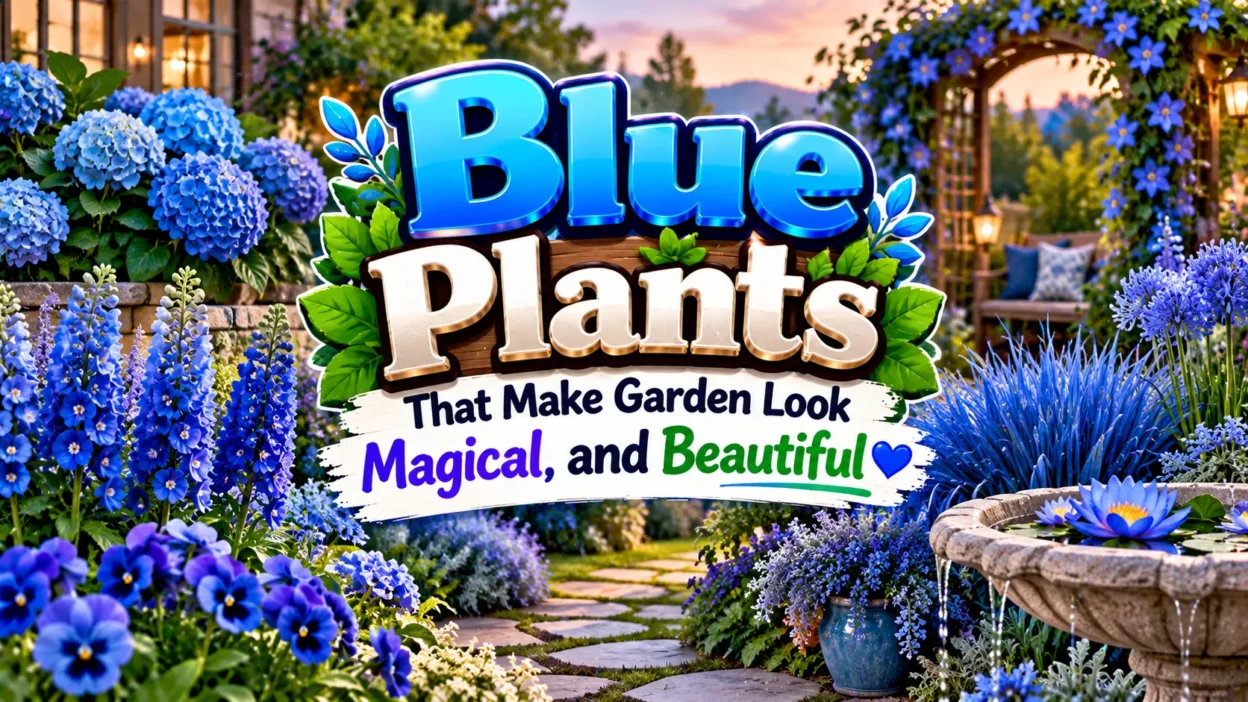
Blue plants bring a special kind of beauty to gardens, patios, balconies, and indoor spaces. Their cool colors create a peaceful atmosphere and make ordinary landscapes feel extraordinary. From delicate blue flowers to plants with silvery-blue leaves, there are countless options for every gardening style. Some varieties produce bright sky-blue blooms, while others display deep indigo, violet-blue, or soft powder-blue shades. If you love unusual plants, exploring blue plants can help you discover beautiful choices for your next gardening project.
However, choosing the right variety involves more than picking a favorite color. You should consider sunlight, soil conditions, watering needs, and your local climate. For example, blue hydrangeas can develop richer blue shades in suitable acidic soil. Meanwhile, blue fescue offers attractive blue-gray foliage throughout much of the growing season. Popular choices such as delphiniums, cornflowers, and blue star creepers provide different heights, textures, and growing habits. Some plants work beautifully in containers, while others thrive in flower beds, rock gardens, or borders. This guide brings together hundreds of blue plant names, including flowering varieties, ornamental grasses, ground covers, shrubs, succulents, and tropical favorites. You will also discover ideas for choosing plants, combining colors, and creating a garden that looks balanced throughout the seasons. Whether you are a beginner or an experienced gardener, these names can help you find inspiration for a beautiful blue-themed outdoor space.
Which Blue Plants Make a Garden Look Most Beautiful?
Some of the most beautiful blue plants include hydrangeas, delphiniums, bluebells, cornflowers, and Himalayan blue poppies. These plants offer different shades, heights, and flowering seasons.
For blue foliage, consider blue fescue, blue spruce, and blue chalk sticks. For containers, try compact varieties that suit your available sunlight and space.
Remember that many flowers described as blue actually appear blue-violet or lavender. Soil chemistry, temperature, and growing conditions can also influence their final appearance.
1. 💙 Classic Blue Flowering Plants for Every Garden
These blue flowering plants are popular for their beautiful blooms and versatile growing habits. Choose from these familiar favorites to create colorful flower beds, borders, and cottage gardens.
- Blue Hydrangea
- Delphinium
- Cornflower
- Bluebell
- Himalayan Blue Poppy
- Blue Flax
- Blue Salvia
- Blue Lobelia
- Blue Plumbago
- Blue Aster
- Blue Anemone
- Blue Columbine
- Blue Iris
- Blue Lupine
- Blue Veronica
- Blue Campanula
- Blue Forget-Me-Not
- Blue Morning Glory
- Blue Petunia
- Blue Clematis
- Blue Balloon Flower
- Blue Scabiosa
- Blue Nemesia
- Blue Agapanthus
- Blue Hyacinth
- Blue Grape Hyacinth
- Blue Muscari
- Blue Speedwell
- Blue Tweedia
- Blue Browallia
- Blue Floss Flower
- Blue Pincushion Flower
- Blue Monkshood
- Blue Sea Holly
- Blue Star Flower
2. 🌸 Rare and Unusual Blue Plants Worth Discovering
Some blue plants look almost unreal because their flowers display unusual shapes or uncommon shades. These selections can add personality to a garden designed around distinctive botanical beauty.
- Blue Himalayan Poppy
- Blue Chinese Wisteria
- Blue Passionflower
- Blue Jade Vine
- Blue Butterfly Pea
- Blue Puya
- Blue Orchid
- Blue Lotus
- Blue Water Lily
- Blue Corydalis
- Blue Meconopsis
- Blue Gentian
- Blue Glory Vine
- Blue Thunbergia
- Blue Fan Flower
- Blue Evolvulus
- Blue Waxflower
- Blue Chia Flower
- Blue Prairie Clover
- Blue Milkweed
- Blue Toadflax
- Blue Fairy Bell
- Blue False Indigo
- Blue Sea Lavender
- Blue Tweedia Vine
- Blue Butterfly Bush
- Blue Chinese Forget-Me-Not
- Blue Sea Daffodil
- Blue Prairie Gentian
- Blue Fringed Gentian
- Blue Passion Vine
- Blue Fairy Primrose
- Blue Himalayan Bellflower
- Blue Jacob’s Ladder
- Blue Mountain Avens
3. 🌿 Blue Plants With Beautiful Blue-Green Foliage
Blue foliage offers color even when flowers are absent. These plants feature silvery, powder-blue, or blue-green leaves that bring texture and contrast to garden designs.
- Blue Fescue
- Blue Spruce
- Blue Hosta
- Blue Eucalyptus
- Blue Chalk Sticks
- Blue Agave
- Blue Atlas Cedar
- Blue Juniper
- Blue Oat Grass
- Blue Lyme Grass
- Blue Wheatgrass
- Blue Hesperaloe
- Blue Senecio
- Blue Cypress
- Blue Ice Plant
- Blue Flax Lily
- Blue Monkey Grass
- Blue Pfitzer Juniper
- Blue Star Juniper
- Blue Dune Grass
- Blue Switchgrass
- Blue Arctic Willow
- Blue Sage
- Blue Rosemary
- Blue Thyme
- Blue Lavender
- Blue Gray Santolina
- Blue Dusty Miller
- Blue Russian Sage
- Blue Heliotrope
- Blue Silver Bush
- Blue Cushion Bush
- Blue Chalk Dudleya
- Blue Chalk Echeveria
- Blue Silver Ragwort
4. 🪴 Blue Indoor Plants and Houseplant Favorites
Blue-toned houseplants can create an interesting indoor display without relying entirely on colorful flowers. Look for plants with blue-green leaves, silvery patterns, or distinctive tropical foliage.
- Blue Star Fern
- Blue Oil Fern
- Blue Bird’s Nest Fern
- Blue Echeveria
- Blue Tillandsia
- Blue Bromeliad
- Blue Phalaenopsis Orchid
- Blue Vanda Orchid
- Blue African Violet
- Blue Cape Primrose
- Blue Persian Shield
- Blue Begonia
- Blue Tradescantia
- Blue Peperomia
- Blue Pilea
- Blue Fittonia
- Blue Calathea
- Blue Maranta
- Blue Philodendron
- Blue Scindapsus
- Blue Satin Pothos
- Blue Hoya
- Blue Wax Plant
- Blue Dischidia
- Blue String of Bananas
- Blue Burro’s Tail
- Blue String of Pearls
- Blue Kalanchoe
- Blue Haworthia
- Blue Gasteria
- Blue Aloe
- Blue Ceropegia
- Blue Senecio Rowleyanus
- Blue Silver Squill
- Blue Jewel Orchid
5. 🌼 Blue Plants for Pots, Planters, and Balconies
Container gardening makes it easier to enjoy blue flowers in small spaces. These options can brighten balconies, patios, window boxes, and entrance areas when matched with suitable pots and growing conditions.
- Blue Bacopa
- Blue Torenia
- Blue Diascia
- Blue Nemophila
- Blue Scaevola
- Blue Calibrachoa
- Blue Trailing Lobelia
- Blue Trailing Verbena
- Blue Miniature Petunia
- Blue Annual Phlox
- Blue Sweet Alyssum
- Blue Dwarf Morning Glory
- Blue Dwarf Iris
- Blue Dwarf Agapanthus
- Blue Dwarf Delphinium
- Blue Compact Salvia
- Blue Compact Aster
- Blue Compact Veronica
- Blue Dwarf Campanula
- Blue Dwarf Heliotrope
- Blue Dwarf Hydrangea
- Blue Dwarf Clematis
- Blue Nemesia Hybrid
- Blue Pansy
- Blue Viola
- Blue Wishbone Flower
- Blue Fan Flower Hybrid
- Blue Cape Daisy
- Blue Browallia Hybrid
- Blue Angelonia
- Blue Scabiosa Compacta
- Blue Forget-Me-Not Compacta
- Blue Anagallis
- Blue Plumbago Compacta
- Blue Evolvulus Hybrid
6. 🌱 Blue Ground Cover Plants for Borders and Pathways
Ground covers help soften garden edges and fill spaces between larger plants. Blue-flowering varieties can create attractive carpets, while blue-leaved selections add contrast to stones and pathways.
- Blue Star Creeper
- Blue Mazus
- Blue Bugleweed
- Blue Lithodora
- Blue Veronica Prostrata
- Blue Creeping Thyme
- Blue Periwinkle
- Blue Speedwell Ground Cover
- Blue Creeping Phlox
- Blue Aubrieta
- Blue Ceratostigma
- Blue Vinca
- Blue Ajuga
- Blue Forget-Me-Not Ground Cover
- Blue Woodland Sage
- Blue Prunella
- Blue Viola Sororia
- Blue Alpine Flax
- Blue Dwarf Gentian
- Blue Alpine Aster
- Blue Campanula Poscharskyana
- Blue Creeping Bellflower
- Blue Alpine Forget-Me-Not
- Blue Lithospermum
- Blue Ground Morning Glory
- Blue Evolvulus Glomeratus
- Blue Isotoma
- Blue Lobelia Erinus
- Blue Alpine Veronica
- Blue Rock Cress
- Blue Rock Jasmine
- Blue Alpine Speedwell
- Blue Prairie Smoke Companion
- Blue Dwarf Plumbago
- Blue Creeping Bellflower Hybrid
7. 🌳 Blue Shrubs and Plants for Landscape Design
Blue shrubs and larger landscape plants provide structure beyond the flowering season. They can frame entrances, define garden borders, and create striking focal points in larger outdoor spaces.
- Blue Hydrangea Shrub
- Blue Butterfly Bush
- Blue Caryopteris
- Bluebeard Shrub
- Blue Mist Shrub
- Blue Hibiscus
- Blue Rose of Sharon
- Blue Chaste Tree
- Blue Russian Sage Shrub
- Blue Plumbago Shrub
- Blue Ceanothus
- Blue California Lilac
- Blue Juniper Shrub
- Blue Star Juniper Shrub
- Blue Globe Spruce
- Blue Dwarf Spruce
- Blue Atlas Cedar
- Blue Arizona Cypress
- Blue Lawson Cypress
- Blue Rocky Mountain Juniper
- Blue Holly
- Blue Hydrangea Macrophylla
- Blue Hydrangea Serrata
- Blue Hydrangea Aspera
- Blue Lacecap Hydrangea
- Blue Mophead Hydrangea
- Blue Evergreen Huckleberry
- Blue Elderberry
- Blue Potato Bush
- Blue Tibouchina
- Blue Hibiscus Alyogyne
- Blue Silk Floss Tree
- Blue Jacaranda
- Blue Wisteria
- Blue Morning Glory Tree
8. 🌷 Blue Perennial Plants That Return Each Year
Perennials can provide reliable seasonal color without requiring new plants every spring. Many blue perennials attract pollinators and work well in mixed borders, cottage gardens, and naturalistic landscapes.
- Blue Perennial Salvia
- Blue Perennial Geranium
- Blue Hardy Geranium
- Blue Siberian Iris
- Blue Japanese Iris
- Blue Bearded Iris
- Blue Siberian Bugloss
- Blue Brunnera
- Blue Jacob’s Ladder
- Blue Catmint
- Blue Nepeta
- Blue Perennial Flax
- Blue Perennial Lobelia
- Blue Hardy Plumbago
- Blue Hardy Ageratum
- Blue Balloon Flower
- Blue Baptisia
- Blue False Indigo
- Blue Monkshood
- Blue Perennial Cornflower
- Blue Perennial Forget-Me-Not
- Blue Perennial Veronica
- Blue Meadow Sage
- Blue Gentian Sage
- Blue Mountain Bluet
- Blue Perennial Scabiosa
- Blue Perennial Aster
- Blue Hardy Campanula
- Blue Lungwort
- Blue Corydalis Lutea Companion
- Blue Delphinium Pacific Giant
- Blue Larkspur
- Blue Sea Holly
- Blue Masterwort
- Blue Great Blue Lobelia
9. 🌞 Blue Plants That Love Sunny Gardens
Sunny locations suit many blue-flowering plants, especially those adapted to open meadows and dry conditions. Check each variety’s water needs before combining them in the same bed.
- Blue Cornflower
- Blue Flax
- Blue Salvia Farinacea
- Blue Salvia Nemorosa
- Blue Lavender
- Blue Russian Sage
- Blue Agapanthus
- Blue Plumbago
- Blue Evolvulus
- Blue Morning Glory
- Blue Lupine
- Blue Aster
- Blue Veronica Spicata
- Blue Sea Holly
- Blue Globe Thistle
- Blue Perovskia
- Blue Caryopteris
- Blue Catmint
- Blue Rosemary
- Blue Thyme
- Blue Fescue
- Blue Oat Grass
- Blue Juniper
- Blue Agave
- Blue Chalk Sticks
- Blue Ice Plant
- Blue Floss Flower
- Blue Angelonia
- Blue Scaevola
- Blue Petunia
- Blue Nemesia
- Blue Delphinium
- Blue Butterfly Pea
- Blue Chicory
- Blue Bachelor Button
10. 🌳 Blue Plants for Shade and Woodland Gardens
Shady gardens can still feature beautiful blue flowers and cool-toned foliage. These plants offer options for woodland borders, sheltered corners, and spaces beneath suitable trees.
- Blue Hosta
- Blue Brunnera
- Blue Lungwort
- Blue Siberian Bugloss
- Blue Woodland Phlox
- Blue Virginia Bluebells
- Bluebells of Scotland
- Blue Corydalis
- Blue Columbine
- Blue Jacob’s Ladder
- Blue Forget-Me-Not
- Blue Anemone Blanda
- Blue Hepatica
- Blue Himalayan Poppy
- Blue Woodland Sage
- Blue Campanula
- Blue Toad Lily Companion
- Blue Japanese Primrose
- Blue Woodland Violet
- Blue Viola
- Blue Periwinkle
- Blue Ajuga
- Blue Bugleweed
- Blue Creeping Jenny Companion
- Blue Star Creeper
- Blue Mazus
- Blue Hydrangea
- Blue Japanese Hydrangea
- Blue Hellebore Companion
- Blue Fern
- Blue Star Fern
- Blue Bird’s Nest Fern
- Blue Caladium
- Blue Rex Begonia
- Blue Cape Primrose
11. 🦋 Blue Plants That Attract Bees and Butterflies
Pollinator-friendly blue flowers add movement and life to an outdoor space. Many varieties provide nectar for bees, butterflies, and other beneficial insects throughout different parts of the growing season.
- Blue Salvia
- Blue Lavender
- Blue Catmint
- Blue Nepeta
- Blue Aster
- Blue Hyssop
- Blue Anise Hyssop
- Blue Giant Hyssop
- Blue Butterfly Bush
- Blue Plumbago
- Blue Verbena
- Blue Vervain
- Blue Flax
- Blue Cornflower
- Blue Scabiosa
- Blue Sea Holly
- Blue Globe Thistle
- Blue Agastache
- Blue Mountain Mint Companion
- Blue Lobelia
- Blue Ironweed
- Blue Mistflower
- Blue Chicory
- Blue Wild Indigo
- Blue False Indigo
- Blue Prairie Clover
- Blue Speedwell
- Blue Veronica
- Blue Borage
- Blue Phacelia
- Blue Larkspur
- Blue Lupine
- Blue Morning Glory
- Blue Passionflower
- Blue Sage
12. 🌵 Blue Succulents and Drought-Tolerant Plants
Blue succulents and drought-tolerant plants bring distinctive shapes and colors to rock gardens and water-wise landscapes. Their blue-gray surfaces often help them stand out against warm stones and dark foliage.
- Blue Agave
- Blue Glow Agave
- Blue Flame Agave
- Blue Chalk Sticks
- Blue Echeveria
- Blue Bird Echeveria
- Blue Atoll Echeveria
- Blue Curls Echeveria
- Blue Surprise Echeveria
- Blue Pearl Sedum
- Blue Spruce Stonecrop
- Blue Elf Aloe
- Blue Haworthia
- Blue Gasteria
- Blue Senecio
- Blue Dudleya
- Blue Chalk Dudleya
- Blue Ice Plant
- Blue Carpet Sedum
- Blue Fescue
- Blue Oat Grass
- Blue Yucca
- Blue Hesperaloe
- Blue Dasylirion
- Blue Nolina
- Blue Cactus
- Blue Barrel Cactus
- Blue Myrtle Cactus
- Blue Torch Cactus
- Blue Columnar Cactus
- Blue Euphorbia
- Blue Kalanchoe
- Blue Crassula
- Blue Pachyveria
- Blue Graptopetalum
13. 💐 Blue Plants for Elegant and Color-Coordinated Gardens
A coordinated blue garden can feel calming, romantic, or dramatic depending on its flower shapes and supporting colors. These choices help you build combinations with blue, silver, white, and purple tones.
- Blue Hydrangea
- Blue Delphinium
- Blue Iris
- Blue Clematis
- Blue Wisteria
- Blue Rose
- Blue Poppy
- Blue Anemone
- Blue Agapanthus
- Blue Campanula
- Blue Veronica
- Blue Salvia
- Blue Lupine
- Blue Cornflower
- Blue Flax
- Blue Aster
- Blue Scabiosa
- Blue Gentian
- Blue Heliotrope
- Blue Plumbago
- Blue Lobelia
- Blue Petunia
- Blue Pansy
- Blue Viola
- Blue Hyacinth
- Blue Grape Hyacinth
- Blue Forget-Me-Not
- Blue Balloon Flower
- Blue Sea Holly
- Blue Globe Thistle
- Blue Russian Sage
- Blue Lavender
- Blue Fescue
- Blue Spruce
- Blue Star Creeper
Choosing Blue Plants for a Healthy, Beautiful Garden
The best blue plants depend on your growing conditions, not just their color. Before buying, check the plant’s mature size, sunlight requirements, watering schedule, and hardiness zone. These details help you avoid overcrowding and reduce unnecessary maintenance. Also, remember that blue flower colors can vary between cultivars and growing conditions.
For a balanced design, combine different heights and textures. Tall delphiniums can form a backdrop, while compact lobelia fills the front of a border. Blue fescue adds year-round foliage interest in suitable climates. You can also mix blue blooms with white flowers and silver leaves for a softer appearance. Always group plants with similar water and sunlight needs to help them thrive.
How to Make Blue Flowers Look More Vibrant
Blue flowers often look their best when you give them a contrasting background. White blooms, silver foliage, and dark green leaves help blue shades stand out. Plant taller flowers behind shorter varieties, and leave enough space for healthy air circulation. This arrangement creates depth without making your garden feel crowded.
For hydrangeas, flower color depends partly on the variety and the availability of aluminum in suitable soil conditions. Some cultivars can turn blue in acidic soil, but not every hydrangea responds the same way. Avoid changing soil chemistry without testing it first. For container plants, choose a suitable potting mix and provide drainage. Regularly remove damaged foliage and spent flowers when appropriate.
Are Blue Plants Suitable for Beginners?
Yes, many blue plants are suitable for beginners, especially when you select varieties suited to your climate. Cornflowers, certain salvias, blue fescue, and some lobelia varieties can be good starting points. However, their care requirements differ, so check the plant label before purchasing.
Start with a small group of plants rather than filling your entire garden at once. Observe how much sunlight the area receives and how quickly the soil dries. Then adjust your watering routine to each plant’s needs. If you have limited space, use containers with drainage holes. With careful selection and simple maintenance, you can enjoy attractive blue flowers without creating a complicated gardening routine.
Frequently Asked Questions About Blue Plants
1. What is the most popular blue flowering plant?
Blue hydrangeas, delphiniums, cornflowers, and blue salvia are popular choices for gardens. Each offers a different flower shape and shade, making it easier to match your preferred garden style.
2. Which blue plants are easiest to grow?
Cornflowers, blue fescue, and many salvia varieties are good options for beginners. Their success depends on your climate, sunlight, soil, and watering routine.
3. Do naturally blue flowers really exist?
Yes, several plant species produce naturally blue or blue-violet flowers. Examples include cornflowers, gentians, delphiniums, and certain morning glories. Some flowers marketed as blue may actually appear purple or lavender.
4. Which blue plants grow well in pots?
Lobelia, blue petunias, compact hydrangeas, and dwarf agapanthus can grow well in containers. Choose a pot with drainage holes and match the plant to your available sunlight.
5. Can hydrangeas change color to blue?
Some bigleaf and mountain hydrangea cultivars can produce blue flowers under suitable soil conditions. Acidic soil and available aluminum often support blue coloration, although genetics also influence the result.
6. Which blue plants attract butterflies and bees?
Blue salvia, lavender, catmint, cornflowers, and blue hyssop can attract pollinators. Choose varieties that flower at different times to provide a more continuous source of nectar.
7. Are blue plants suitable for indoor spaces?
Yes, several plants suit indoor growing, including blue-flowering African violets, selected orchids, and blue star ferns. Provide appropriate light, humidity, and watering for each species.
8. How can I create a blue-themed garden?
Combine plants with different heights, textures, and flowering seasons. Pair blue blooms with white flowers, silver foliage, or dark green leaves for contrast. Select plants with similar growing requirements for easier maintenance.
Conclusion: Find Your Favorite Blue Plants
Blue plants offer endless possibilities for creating a beautiful and memorable garden. From vibrant blue flowers to silvery foliage and distinctive succulents, there is a suitable option for almost every space. Explore these plant names to discover varieties that match your gardening goals, available sunlight, and local climate. Start with a few reliable favorites, then add complementary flowers and foliage as your garden develops. With thoughtful planning and proper care, blue plants can bring lasting color, texture, and charm to your outdoor or indoor space.

James Anderson is a passionate floral writer and lifestyle content creator with a love for nature, creativity, and meaningful moments. With a keen eye for beauty and detail, he shares insights on flowers, gifting ideas, floral trends, and special occasion inspiration. Through Florenzay, James aims to help people express emotions and create unforgettable memories through the timeless charm of flowers. 🌸