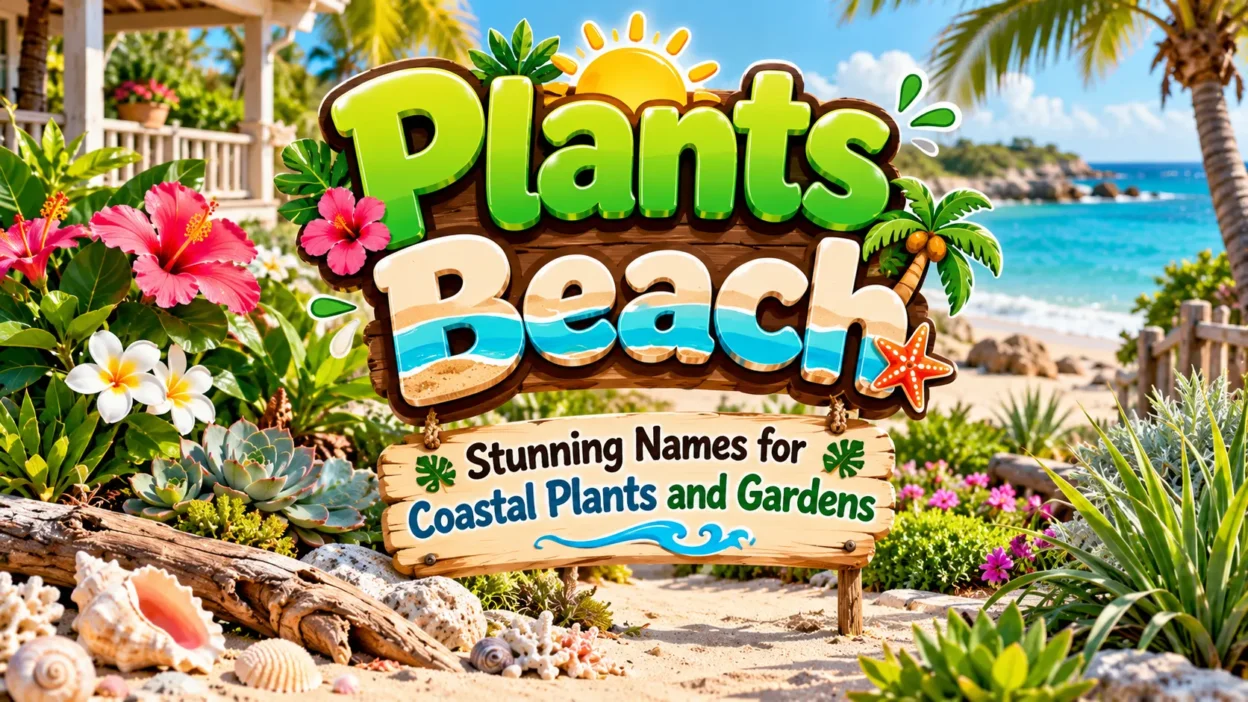
Plants beach searches often lead to beautiful coastal greenery, tropical flowers, and plants that thrive beside the sea. If you want ideas for a beach garden, a seaside landscape, or a tropical plant collection, the right names can help you find inspiration. From graceful sea oats to colorful beach daisies, coastal plants create a relaxed and natural atmosphere.
Choosing beach plants can also make your outdoor space more attractive and practical. Many coastal species tolerate sandy soil, strong sunlight, salty air, and occasional drought. However, each plant has different needs, so checking its growing conditions is important. Some plants work beautifully in containers, while others suit dunes, borders, and larger seaside gardens. You can also use these names to organize a plant collection, create garden labels, or find ideas for a beach-themed gardening project.
This guide brings together coastal plant names, tropical varieties, flowering beach plants, ornamental grasses, and other seaside favorites. You’ll discover familiar plants alongside less common choices for different garden styles. Whether you’re planning a sunny coastal yard or simply love the look of tropical greenery, these lists offer plenty of inspiration. Some names describe plants naturally associated with beaches, while others suit the relaxed style of a coastal garden. Always check local growing guidance before planting near dunes or shorelines. Native plants are often the best choice because they support local wildlife and suit regional conditions.
Which Plants Grow Well Near the Beach?
Beach-friendly plants often tolerate sandy soil, salt spray, strong sunlight, and drying winds. Popular choices include sea oats, beach morning glory, beach sunflower, saltbush, and certain coastal grasses.
The best option depends on your climate, soil drainage, and distance from the shore. Choose native species whenever possible, especially for dunes and sensitive coastal areas.
1. 🌴 Classic Plants Beach Gardeners Love
These coastal plant names are perfect for anyone who loves traditional seaside landscaping. Many are associated with sandy beaches, sunny gardens, and naturally beautiful shorelines.
- Sea Oats
- Beach Morning Glory
- Beach Sunflower
- Beach Strawberry
- Sea Grape
- Beach Elder
- Beach Grass
- Saltbush
- Sea Lavender
- Sea Holly
- Beach Pea
- Sea Thrift
- Beach Heather
- Sea Rocket
- Beach Evening Primrose
- Sea Purslane
- Beach Aster
- Sea Blite
- Saltgrass
- Sea Spurge
- Beach Daisy
- Sea Buckthorn
- Coastal Rosemary
- Sea Campion
- Beach Wormwood
- Sea Beet
- Beach Naupaka
- Sea Couch Grass
- Beach Bean
- Sea Hibiscus
- Beach Morning Star
- Sea Sandwort
- Coastal Goldenrod
- Sea Milkwort
- Beach Morning Bell
- Sea Plantain
- Coastal Fleabane
- Sea Lavender Cotton
- Beach Knotweed
- Sea Arrowgrass
2. 🌺 Tropical Plants Beach Lovers Adore
Tropical beach plants bring bold leaves, bright colors, and an island-inspired atmosphere to outdoor spaces. These names are useful when planning a tropical garden or choosing plants for a warm coastal climate.
- Coconut Palm
- Areca Palm
- Royal Palm
- Queen Palm
- Date Palm
- Foxtail Palm
- Fan Palm
- Bottle Palm
- Pygmy Date Palm
- Sago Palm
- Travelers Palm
- Bird of Paradise
- Red Ginger
- Blue Ginger
- Torch Ginger
- Heliconia
- Plumeria
- Hibiscus
- Bougainvillea
- Croton
- Ti Plant
- Cordyline
- Elephant Ear
- Philodendron
- Monstera
- Banana Plant
- Dwarf Banana
- Papaya Tree
- Frangipani
- Golden Pothos
- Ti Leaf
- Tropical Milkweed
- Allamanda
- Mandevilla
- Ixora
- Firebush
- Tropical Sage
- Shell Ginger
- Hawaiian Snowbush
- Tropical Almond
3. 🌼 Colorful Beach Flower Names
Flowering plants can soften a sandy landscape and add cheerful color to a seaside garden. The following names include coastal wildflowers and ornamental flowers that suit different warm or temperate environments.
- Beach Sunflower
- Sea Lavender
- Beach Aster
- Beach Morning Glory
- Blanket Flower
- Seaside Goldenrod
- Beach Verbena
- Purple Coneflower
- Coreopsis
- Gaillardia
- Gazania
- Portulaca
- Purslane
- Lantana
- Pentas
- Angelonia
- Zinnia
- Marigold
- Cosmos
- Salvia
- Mexican Heather
- Blue Daze
- Periwinkle
- Vinca
- Daylily
- Society Garlic
- African Iris
- Rain Lily
- Crinum Lily
- Spider Lily
- Canna Lily
- Cape Plumbago
- Sea Pink
- Beach Morning Star
- Yellow Alder
- Golden Dewdrop
- Scarlet Sage
- Beach Fleabane
- Coral Honeysuckle
- Coastal Phlox
4. 🌿 Plants Beach Landscapes Need for Greenery
Green foliage creates a calm backdrop for colorful flowers and natural garden features. These shrubs, ground covers, and foliage plants can inspire a lush coastal landscape when matched to the local climate.
- Sea Grape
- Wax Myrtle
- Southern Wax Myrtle
- Buttonwood
- Green Buttonwood
- Saw Palmetto
- Dwarf Palmetto
- Coontie
- Yaupon Holly
- Inkberry
- Bayberry
- Beach Plum
- Carolina Cherry Laurel
- Simpson’s Stopper
- Walter’s Viburnum
- Firebush
- Cocoplum
- Silver Buttonwood
- Seagrape Shrub
- Florida Privet
- Coastal Doghobble
- Saltbush
- Beach Creeper
- Railroad Vine
- Beach Bean
- Dune Sunflower
- Beach Naupaka
- Shore Juniper
- Creeping Juniper
- Shoreline Purslane
- Sea Purslane
- Coastal Sage
- Sand Live Oak
- Coastal Live Oak
- Sea Hibiscus
- Beach Vitex
- Sea Myrtle
- Beach Morning Glory
- Beach Strawberry
- Beach Pea
5. 🌾 Coastal Grass Names for Sandy Gardens
Coastal grasses help create movement and texture while some species stabilize sandy ground. Choose locally appropriate plants for your garden, and never collect protected grasses from natural dunes.
- Sea Oats
- American Beachgrass
- European Beachgrass
- Saltmeadow Cordgrass
- Smooth Cordgrass
- Sand Cordgrass
- Gulf Cordgrass
- Saltgrass
- Seashore Paspalum
- Dune Fescue
- Beach Wiregrass
- Purple Lovegrass
- Little Bluestem
- Big Bluestem
- Switchgrass
- Muhly Grass
- Pink Muhly Grass
- Gulf Muhly
- Blue Grama
- Buffalo Grass
- Sand Dropseed
- Prairie Dropseed
- Indian Grass
- Coastal Panicgrass
- Bitter Panicgrass
- Sea Couch Grass
- Bermuda Grass
- Zoysia Grass
- Fountain Grass
- Lemongrass
- Vetiver Grass
- Japanese Blood Grass
- Feather Reed Grass
- Blue Oat Grass
- Sedge Grass
- Seashore Saltgrass
- Dune Grass
- Sand Lovegrass
- Coastal Beardgrass
- Seaside Little Bluestem
6. 🌊 Salt-Tolerant Plants Beach Gardens Can Feature
Salt-tolerant plants are useful in exposed gardens where sea spray and salty winds challenge less resilient species. However, tolerance varies by plant and growing conditions, so check local horticultural recommendations before planting.
- Sea Grape
- Sea Oats
- Beach Sunflower
- Beach Morning Glory
- Saltbush
- Wax Myrtle
- Saw Palmetto
- Cabbage Palm
- Sabal Palm
- Sea Purslane
- Seashore Paspalum
- Saltgrass
- Smooth Cordgrass
- Sea Lavender
- Sea Holly
- Beach Elder
- Bayberry
- Beach Plum
- Yaupon Holly
- Cocoplum
- Buttonwood
- Silver Buttonwood
- Oleander
- Lantana
- Bougainvillea
- Hibiscus
- Plumeria
- Agave
- Aloe Vera
- Century Plant
- Yucca
- Prickly Pear Cactus
- Sea Buckthorn
- Coastal Rosemary
- Rosemary
- Lavender
- Gazania
- Ice Plant
- Shore Juniper
- Beach Naupaka
7. 🌱 Low-Growing Plants Beach Gardens Use as Ground Cover
Ground-cover plants can fill open spaces between landscape features and help reduce bare soil. For coastal gardens, select species that suit the region and avoid invasive plants that could spread into natural habitats.
- Beach Morning Glory
- Railroad Vine
- Beach Strawberry
- Beach Sunflower
- Beach Bean
- Sea Purslane
- Ice Plant
- Blue Daze
- Creeping Juniper
- Shore Juniper
- Creeping Thyme
- Dwarf Mondo Grass
- Liriope
- Asiatic Jasmine
- Frogfruit
- Sunshine Mimosa
- Beach Verbena
- Trailing Lantana
- Creeping Rosemary
- Prostrate Rosemary
- Dwarf Periwinkle
- Portulaca
- Sedum
- Hens and Chicks
- Creeping Jenny
- Kidney Weed
- Dichondra
- Silver Ponyfoot
- Beach Pea
- Sandmat
- Coastal Phlox
- Sea Thrift
- Sandwort
- Dwarf Oyster Plant
- Trailing Ice Plant
- Blue Pacific Juniper
- Woolly Stemodia
- Coastal Saltbush
- Shoreline Purslane
- Creeping Fig
8. 🌴 Palm Names for a Tropical Beach Garden
Palms are popular in coastal-inspired landscapes because their silhouettes create an unmistakable tropical feel. Some tolerate salt and wind better than others, so consider mature size and local climate before choosing one.
- Coconut Palm
- Royal Palm
- Queen Palm
- Foxtail Palm
- Areca Palm
- Bismarck Palm
- Windmill Palm
- Pindo Palm
- European Fan Palm
- Chinese Fan Palm
- Mexican Fan Palm
- California Fan Palm
- Sabal Palm
- Cabbage Palm
- Needle Palm
- Saw Palmetto
- Dwarf Palmetto
- Pygmy Date Palm
- Canary Island Date Palm
- Senegal Date Palm
- Sylvester Palm
- Bottle Palm
- Spindle Palm
- Christmas Palm
- Alexander Palm
- Manila Palm
- Lady Palm
- Bamboo Palm
- Parlor Palm
- Kentia Palm
- Fishtail Palm
- Licuala Palm
- Triangle Palm
- MacArthur Palm
- Paurotis Palm
- Paurotis Fan Palm
- Florida Thatch Palm
- Buccaneer Palm
- Silver Date Palm
- Lipstick Palm
9. 🌸 Beach Plants With Beautiful Fragrant Flowers
Fragrant flowers can make an outdoor space feel inviting, especially near patios and seating areas. These flowering plants offer different scents, colors, and growing habits for suitable coastal climates.
- Plumeria
- Gardenia
- Arabian Jasmine
- Star Jasmine
- Night-Blooming Jasmine
- Beach Rose
- Rugosa Rose
- Sweet Alyssum
- Lavender
- Rosemary
- Honeysuckle
- Cape Honeysuckle
- Orange Jasmine
- Mock Orange
- Sweet Osmanthus
- Ylang-Ylang
- Tuberose
- Four O’Clock Flower
- Moonflower
- Evening Primrose
- Angel’s Trumpet
- Fragrant Tea Olive
- Stephanotis
- Heliotrope
- Stock Flower
- Dianthus
- Sweet Pea
- Hyacinth
- Freesia
- Narcissus
- Lily of the Valley
- Scented Geranium
- Lemon Verbena
- Lemon Balm
- Mexican Orange Blossom
- Sweet Viburnum
- Beach Morning Glory
- Coastal Rosemary
- Climbing Jasmine
- Confederate Jasmine
10. 🪴 Beach Plants for Pots and Small Spaces
You don’t need a large yard to enjoy a coastal-inspired plant collection. These options can work in containers, balconies, sunny patios, or compact gardens when their light and watering needs are met.
- Aloe Vera
- Jade Plant
- Echeveria
- Haworthia
- Sedum
- Portulaca
- Crown of Thorns
- Dwarf Ixora
- Dwarf Hibiscus
- Dwarf Oleander
- Pygmy Date Palm
- Parlor Palm
- Bamboo Palm
- Ponytail Palm
- Snake Plant
- ZZ Plant
- Golden Pothos
- Spider Plant
- Peace Lily
- Croton
- Bromeliad
- Tillandsia
- Bird of Paradise
- Blue Daze
- Lantana
- Geranium
- Petunia
- Calibrachoa
- Verbena
- Gazania
- Marigold
- Zinnia
- Dwarf Plumbago
- Rosemary
- Lavender
- Thyme
- Lemongrass
- Dwarf Fountain Grass
- Blue Fescue
- Ornamental Oregano
11. 🐚 Native Coastal Plants for Natural Beach Gardens
Native coastal plants are often valuable choices because they have adapted to local environmental conditions. The best species depend on your coastline, so use these names as starting points for regional research rather than a universal planting list.
- Sea Oats
- American Beachgrass
- Beach Morning Glory
- Railroad Vine
- Beach Sunflower
- Sea Grape
- Beach Elder
- Beach Plum
- Wax Myrtle
- Saw Palmetto
- Cabbage Palm
- Saltmeadow Cordgrass
- Smooth Cordgrass
- Seashore Paspalum
- Yaupon Holly
- Cocoplum
- Buttonwood
- Southern Live Oak
- Sand Live Oak
- Eastern Red Cedar
- Bayberry
- Inkberry
- Seaside Goldenrod
- Seaside Aster
- Sea Thrift
- Beach Pea
- Beach Strawberry
- Sea Rocket
- Saltgrass
- Dune Fescue
- Coastal Sage
- Beach Naupaka
- Sea Hibiscus
- Firebush
- Coontie
- Sunshine Mimosa
- Frogfruit
- Coastal Plain Tickseed
- Gulf Muhly
- Seashore Mallow
12. 🌵 Drought-Resistant Plants for Sunny Beach Gardens
Sunny coastal gardens can dry out quickly, especially in sandy soil exposed to wind. Drought-tolerant plants may reduce watering needs once established, but young plants still require care as their roots develop.
- Aloe Vera
- Agave
- Century Plant
- Prickly Pear Cactus
- Barrel Cactus
- Sea Purslane
- Ice Plant
- Portulaca
- Lantana
- Bougainvillea
- Plumbago
- Rosemary
- Lavender
- Thyme
- Sage
- Yucca
- Red Yucca
- Adam’s Needle
- Spanish Bayonet
- Crown of Thorns
- Sedum
- Echeveria
- Jade Plant
- Kalanchoe
- Elephant Bush
- Desert Rose
- Gazania
- Blanket Flower
- Beach Sunflower
- Coastal Rosemary
- Saltbush
- Sea Grape
- Saw Palmetto
- Pindo Palm
- Muhly Grass
- Blue Grama
- Buffalo Grass
- Little Bluestem
- Fountain Grass
- Creeping Juniper
13. 🌅 Unique Plants Beach Enthusiasts Should Know
Some coastal plants stand out because of their unusual shapes, colorful foliage, or special adaptations. These names can inspire a distinctive garden while helping you discover less familiar seaside species.
- Beach Naupaka
- Sea Grape
- Sea Holly
- Sea Rocket
- Sea Lavender
- Sea Thrift
- Sea Buckthorn
- Beach Vitex
- Railroad Vine
- Beach Bean
- Sea Purslane
- Sea Blite
- Beach Evening Primrose
- Beach Wormwood
- Sea Milkwort
- Beach Morning Glory
- Sea Hibiscus
- Coastal Banksia
- Bottlebrush
- Banksia
- New Zealand Flax
- Kangaroo Paw
- Silver Buttonwood
- Beach Elder
- Sea Spurge
- Beach Pea
- Sand Live Oak
- Shore Juniper
- Beach Strawberry
- Beach Plum
- Saltbush
- Sea Beet
- Sea Arrowgrass
- Seashore Mallow
- Coastal Rosemary
- Beach Morning Star
- Sea Couch Grass
- Seaside Daisy
- Beach Aster
- Dune Sunflower
14. 🌺 Plants Beach Gardeners Choose for Colorful Borders
A coastal border looks balanced when it combines flowering plants, foliage, and different heights. These selections offer inspiration for sunny edges and decorative beds, provided they suit your local conditions.
- Beach Sunflower
- Beach Verbena
- Blue Daze
- Lantana
- Hibiscus
- Bougainvillea
- Plumbago
- Ixora
- Pentas
- Angelonia
- Salvia
- Coreopsis
- Blanket Flower
- Gazania
- Portulaca
- Canna Lily
- Crinum Lily
- African Iris
- Society Garlic
- Rain Lily
- Daylily
- Croton
- Cordyline
- New Zealand Flax
- Dwarf Fountain Grass
- Pink Muhly Grass
- Blue Fescue
- Sea Thrift
- Seaside Goldenrod
- Seaside Aster
- Beach Daisy
- Mexican Heather
- Firebush
- Cape Honeysuckle
- Golden Dewdrop
- Scarlet Sage
- Coral Honeysuckle
- Tropical Milkweed
- Dwarf Plumbago
- Coastal Phlox
15. 🌿 Plants Beach Beginners Can Explore First
If you’re new to coastal gardening, start with plants that match your light, soil, and maintenance preferences. These familiar choices can help you build confidence before adding more specialized coastal species.
- Aloe Vera
- Portulaca
- Lantana
- Beach Sunflower
- Rosemary
- Lavender
- Sea Oats
- Beach Morning Glory
- Blue Daze
- Gazania
- Hibiscus
- Bougainvillea
- Sea Grape
- Wax Myrtle
- Saw Palmetto
- Pindo Palm
- Dwarf Palmetto
- Seashore Paspalum
- Saltgrass
- Muhly Grass
- Fountain Grass
- Agave
- Yucca
- Sedum
- Echeveria
- Jade Plant
- Croton
- Spider Plant
- Snake Plant
- Golden Pothos
- Dwarf Ixora
- Pentas
- Marigold
- Zinnia
- Verbena
- Beach Strawberry
- Beach Pea
- Sea Purslane
- Beach Plum
- Bayberry
How to Choose the Best Plants for a Beach Garden
Choosing plants for a beach garden starts with understanding your location. Coastal conditions can vary greatly, even between nearby properties. Salt spray, sandy soil, strong winds, and intense sunlight may affect plant growth. Therefore, look for species suited to your region rather than choosing plants based on appearance alone. Native coastal plants often provide an excellent starting point because they support local wildlife and suit regional conditions.
Next, consider the space available. Ground covers work well in open areas, while palms and shrubs create height and structure. Container plants offer flexibility for balconies and patios. Also, check the plant’s mature size, watering requirements, and maintenance needs before purchasing it. If you live near protected dunes, follow local planting rules and avoid disturbing natural vegetation. A thoughtful selection will help your seaside garden look attractive while remaining easier to maintain.
Are Beach Plants Suitable for Home Gardens?
Yes, many beach plants grow well in home gardens when their environmental needs match the location. Some tolerate salty air and sandy soil, while others prefer sheltered patios or well-drained garden beds. For example, beach sunflowers can add bright color, and certain ornamental grasses bring movement to sunny borders. Meanwhile, palms and tropical flowering plants can create an island-inspired atmosphere in suitable climates.
However, not every coastal plant suits every garden. Some species spread aggressively or become invasive outside their native range. Others need warmer winters or more moisture than a typical beach garden provides. Before planting, check local extension services, native plant databases, and reputable nurseries. Choose noninvasive species that suit your climate and available space. With the right choices, even a small garden can capture the relaxed beauty of a seaside landscape.
Simple Tips for Growing Healthy Coastal Plants
Healthy coastal plants need suitable soil, adequate water, and protection during establishment. Although many seaside species tolerate challenging conditions, they still need appropriate care. Start by checking drainage because sandy soil loses moisture quickly. Add soil amendments only when they suit the plant’s requirements. Some native coastal plants actually prefer lean soil and may struggle with excessive fertilizer.
Water new plants regularly according to their needs until their roots become established. Afterward, adjust watering based on rainfall, temperature, and soil moisture. Use mulch where appropriate to conserve moisture, but keep it away from plant stems. For exposed sites, choose wind-tolerant species and consider temporary protection while young plants settle in. Finally, inspect plants regularly for pests, disease, and salt damage. These simple habits can help your coastal garden stay healthy throughout the growing season.
Frequently Asked Questions About Plants Beach Gardens
1. Which plants grow best at the beach?
Sea oats, beach morning glory, beach sunflower, and sea grape are well-known coastal plant choices. Their suitability depends on your region, soil conditions, and exposure to salt spray. Native species are often the best starting point.
2. What are the best plants for sandy soil?
Beach grasses, sea purslane, beach sunflower, and some drought-tolerant shrubs can grow in sandy soil. However, sandy soil drains quickly and may contain few nutrients. Choose plants adapted to these conditions and water them appropriately.
3. Which beach plants tolerate salt spray?
Sea grape, sea oats, beach sunflower, saltbush, and certain palms can tolerate coastal exposure. Salt tolerance varies between species and cultivars. Check local horticultural guidance before planting in areas exposed to frequent sea spray.
4. Can I grow beach plants in pots?
Yes, many coastal-inspired plants grow successfully in containers. Aloe vera, portulaca, rosemary, dwarf palms, and blue daze are possible options. Choose pots with drainage holes and match watering and sunlight to each plant’s needs.
5. What are some colorful flowering beach plants?
Beach sunflower, beach verbena, lantana, gazania, hibiscus, and bougainvillea can add vibrant color. Their suitability depends on the climate and growing conditions. Some need frost-free weather, while others tolerate cooler coastal regions.
6. Are beach plants easy to maintain?
Many beach plants need relatively little maintenance after becoming established. Native grasses, drought-tolerant ground covers, and suitable coastal shrubs can be practical options. However, young plants still need watering, monitoring, and occasional care.
7. Which plants are best for a tropical beach garden?
Coconut palms, plumeria, hibiscus, bird of paradise, and bougainvillea can create a tropical atmosphere. These plants need suitable temperatures and growing conditions. In cooler climates, grow appropriate varieties in containers or choose hardy alternatives.
8. Should I plant native species near coastal dunes?
Yes, native species are generally preferred for appropriate coastal restoration and landscaping projects. They can support local wildlife and help preserve regional plant communities. Always follow local regulations and avoid disturbing protected dunes or collecting wild plants.
Conclusion
Finding the right plants beach gardeners love begins with understanding coastal conditions and choosing species that suit your location. From sea oats and beach sunflowers to tropical palms and colorful flowering shrubs, these plant names offer plenty of inspiration. You can use them to plan a garden, organize a plant collection, or discover new coastal landscaping ideas. Remember to consider salt tolerance, soil drainage, sunlight, and mature plant size before making your choices. Whenever possible, select native, noninvasive species. With thoughtful planning, your beach-inspired garden can become a beautiful and practical outdoor retreat.

James Anderson is a passionate floral writer and lifestyle content creator with a love for nature, creativity, and meaningful moments. With a keen eye for beauty and detail, he shares insights on flowers, gifting ideas, floral trends, and special occasion inspiration. Through Florenzay, James aims to help people express emotions and create unforgettable memories through the timeless charm of flowers. 🌸