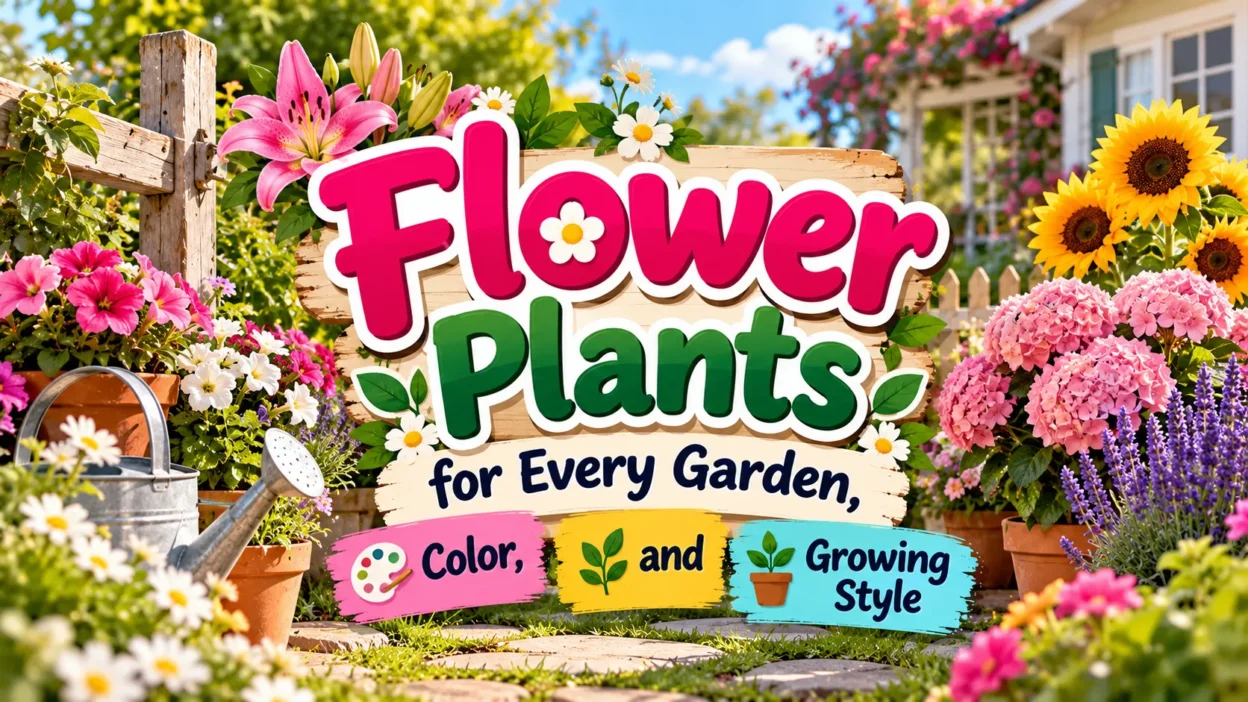
Flower plants can turn an ordinary outdoor space into a colorful, welcoming, and beautiful garden. From delicate spring blossoms to bold summer blooms, the right flowers bring life to flower beds, borders, containers, and backyard landscapes. Some varieties offer bright colors, while others fill the air with delightful fragrances. Best of all, you can find options for almost every growing space, including small balconies, sunny patios, and large gardens. Whether you love classic roses, cheerful sunflowers, or delicate lavender, there is a flower plant to suit your style.
Choosing the right flowers can feel overwhelming because so many varieties look beautiful in garden centers. However, you do not need to be an expert gardener to create an attractive display. Start by considering your local climate, available sunlight, soil conditions, and watering routine. Then, explore annual flowers, perennial plants, flowering shrubs, climbing varieties, and compact container flowers. Each type offers different benefits throughout the growing season. You can also combine different bloom colors, heights, and flowering times for a garden that stays interesting for months. This guide shares hundreds of flower plant names to inspire your next gardening project. You will discover colorful garden favorites, fragrant blooms, low-maintenance choices, shade-loving flowers, and plants suitable for pots. Use these ideas to plan a garden that reflects your personality and makes your outdoor space feel special.
Which Flower Plants Are Best for a Beautiful Garden?
The best flower plants depend on your climate, sunlight, soil, and gardening goals. Roses, zinnias, marigolds, petunias, and coneflowers offer beautiful blooms for different garden styles.
Choose sun-loving varieties for bright locations and shade-tolerant flowers for sheltered areas.
For longer-lasting color, combine annuals with perennials that bloom at different times.
🌹 Classic Flower Plants for Timeless Garden Beauty
Classic flower plants bring familiar colors, elegant shapes, and lasting charm to outdoor spaces. These varieties suit traditional gardens, decorative borders, and welcoming front yards. Choose a mix of colors and bloom sizes to create a balanced display.
- Rose
- Gardenia
- Peony
- Camellia
- Hydrangea
- Magnolia
- Dahlia
- Chrysanthemum
- Carnation
- Geranium
- Begonia
- Hibiscus
- Azalea
- Rhododendron
- Delphinium
- Foxglove
- Hollyhock
- Sweet Pea
- Snapdragon
- Iris
- Lily
- Tulip
- Daffodil
- Hyacinth
- Freesia
- Ranunculus
- Anemone
- Primrose
- Hellebore
- Poppy
- Larkspur
- Lisianthus
- Stock
- Scabiosa
- Veronica
- Coreopsis
- Yarrow
- Phlox
- Lupine
- Bleeding Heart
🌼 Colorful Flower Plants for a Bright Backyard
Colorful flowers create eye-catching displays around lawns, patios, and garden paths. Mix warm shades with cool tones to add contrast and personality. These flower plants offer plenty of inspiration for a lively outdoor space.
- Zinnia
- Marigold
- Cosmos
- Petunia
- Pansy
- Viola
- Impatiens
- Nasturtium
- Calendula
- Portulaca
- Gazania
- Celosia
- Ageratum
- Verbena
- Salvia
- Nicotiana
- Four O’Clock Flower
- Blanket Flower
- Gaillardia
- Mexican Sunflower
- African Daisy
- Osteospermum
- Strawflower
- Gomphrena
- Balsam
- Wishbone Flower
- Torenia
- Nemesia
- Diascia
- Angelonia
- Browallia
- Cuphea
- Lantana
- Pentas
- Scaevola
- Browallia
- Chinese Aster
- Annual Phlox
- Sweet William
- Painted Daisy
🌻 Flower Plants for Sunny Gardens
Sunny gardens need plants that can handle several hours of direct light. Many sun-loving flowers reward gardeners with abundant blooms and vivid colors. Check each variety’s water needs before combining them in the same flower bed.
- Sunflower
- Lavender
- Coneflower
- Black-Eyed Susan
- Shasta Daisy
- Blanket Flower
- Bee Balm
- Russian Sage
- Yarrow
- Coreopsis
- Salvia
- Verbena
- Zinnia
- Marigold
- Cosmos
- Gaillardia
- Portulaca
- Gazania
- Lantana
- Pentas
- Angelonia
- Celosia
- Globe Amaranth
- Mexican Heather
- Blue Flax
- Sea Holly
- Blanketflower
- Sweet Alyssum
- California Poppy
- Red Valerian
- Rock Rose
- Heliopsis
- Golden Marguerite
- Tickseed
- Butterfly Weed
- Prairie Coneflower
- Blanketflower Daisy
- Candytuft
- Ice Plant
- Verbascum
🌷 Flower Plants for Shady Garden Spaces
Shady corners can still look beautiful with flowers suited to lower light levels. These plants work well beneath trees, beside north-facing walls, and in sheltered garden beds. Remember that partial shade and deep shade offer different growing conditions.
- Astilbe
- Bleeding Heart
- Hosta
- Hellebore
- Foxglove
- Toad Lily
- Lungwort
- Columbine
- Japanese Anemone
- Primrose
- Impatiens
- Wax Begonia
- Fuchsia
- Torenia
- Browallia
- Wishbone Flower
- Lobelia
- Cyclamen
- Lily of the Valley
- Foamflower
- Barrenwort
- Coral Bells
- Japanese Forest Grass
- Brunnera
- Bergenia
- Trillium
- Virginia Bluebells
- Jack-in-the-Pulpit
- Woodland Phlox
- Shooting Star
- Solomon’s Seal
- Leopard Plant
- Hardy Geranium
- Tiarella
- Crested Iris
- Japanese Painted Fern
- Christmas Rose
- Spotted Deadnettle
- Sweet Woodruff
- Blue Cohosh
🌺 Fragrant Flower Plants for a Sweet-Smelling Garden
Fragrant blooms make gardens more inviting and can turn a quiet evening outdoors into a relaxing experience. Plant scented varieties near entrances, seating areas, or walkways where you can enjoy their perfume. Fragrance strength varies by cultivar and growing conditions.
- Jasmine
- Gardenia
- Sweet Alyssum
- Lavender
- Honeysuckle
- Mock Orange
- Lilac
- Hyacinth
- Freesia
- Stock
- Sweet Pea
- Dianthus
- Tuberose
- Moonflower
- Night-Blooming Jasmine
- Four O’Clock Flower
- Heliotrope
- Sweet Osmanthus
- Daphne
- Lily of the Valley
- Chocolate Flower
- Scented Geranium
- Lemon Verbena
- Rose
- Peony
- Phlox
- Carnation
- Wallflower
- Nicotiana
- Angel’s Trumpet
- Stephanotis
- Wisteria
- Clematis Armandii
- Winter Honeysuckle
- Fragrant Olive
- Sweet William
- Soapwort
- Lemon Balm
- Valerian
- Evening Primrose
🌿 Low-Maintenance Flower Plants for Beginners
Easy-care flowers help new gardeners build confidence without complicated routines. Many thrive when planted in suitable soil and watered according to their needs. Start with a few dependable varieties before expanding your collection.
- Marigold
- Zinnia
- Cosmos
- Sunflower
- Calendula
- Nasturtium
- Coneflower
- Black-Eyed Susan
- Daylily
- Sedum
- Yarrow
- Coreopsis
- Lavender
- Catmint
- Russian Sage
- Blanket Flower
- Verbena
- Salvia
- Gaillardia
- Shasta Daisy
- Portulaca
- Gazania
- Lantana
- Periwinkle
- Geranium
- Pentas
- Aster
- Crocus
- Daffodil
- Tulip
- Allium
- Hens-and-Chicks
- Ice Plant
- Bee Balm
- Hardy Geranium
- Balloon Flower
- Blazing Star
- Sea Thrift
- Candytuft
- Autumn Joy Sedum
🪴 Flower Plants for Pots and Containers
Container gardening lets you enjoy flowers on balconies, patios, porches, and other compact spaces. Choose pots with drainage holes and match each plant to the available sunlight. Compact varieties often work especially well in smaller containers.
- Petunia
- Calibrachoa
- Million Bells
- Lobelia
- Bacopa
- Sweet Alyssum
- Trailing Verbena
- Ivy Geranium
- Zonal Geranium
- Begonia
- Wax Begonia
- Impatiens
- New Guinea Impatiens
- Pansy
- Viola
- Dwarf Dahlia
- Miniature Rose
- African Violet
- Kalanchoe
- Cyclamen
- African Daisy
- Osteospermum
- Diascia
- Nemesia
- Angelonia
- Pentas
- Cuphea
- Scaevola
- Torenia
- Fuchsia
- Dwarf Sunflower
- Dwarf Zinnia
- Portulaca
- Nasturtium
- Celosia
- Gomphrena
- Chrysanthemum
- Ornamental Pepper
- Sweet Potato Vine
- Trailing Nasturtium
🦋 Flower Plants That Attract Butterflies and Pollinators
Pollinator-friendly flowers provide nectar or pollen for butterflies, bees, and other beneficial insects. A varied garden offers food throughout more of the growing season. Whenever possible, choose regionally native species suited to your local conditions.
- Butterfly Weed
- Milkweed
- Purple Coneflower
- Black-Eyed Susan
- Bee Balm
- Joe-Pye Weed
- Blazing Star
- Goldenrod
- Aster
- Phlox
- Salvia
- Lavender
- Catmint
- Verbena
- Zinnia
- Cosmos
- Sunflower
- Marigold
- Borage
- Anise Hyssop
- Mountain Mint
- Coreopsis
- Yarrow
- Blanket Flower
- Ironweed
- Cardinal Flower
- Penstemon
- Columbine
- Wild Bergamot
- New England Aster
- Swamp Milkweed
- Blue Mistflower
- Tickseed
- Purple Prairie Clover
- Prairie Blazing Star
- Culver’s Root
- Golden Alexanders
- Virginia Mountain Mint
- Wild Senna
- Buttonbush
🌸 Perennial Flower Plants That Return Every Year
Perennial flowers can provide color for several growing seasons when their climate and care requirements match your garden. Many die back during winter and regrow when conditions become favorable. Check hardiness zones before choosing long-term garden plants.
- Peony
- Coneflower
- Black-Eyed Susan
- Daylily
- Hosta
- Astilbe
- Bleeding Heart
- Delphinium
- Lupine
- Shasta Daisy
- Coreopsis
- Yarrow
- Bee Balm
- Phlox
- Salvia
- Catmint
- Russian Sage
- Blanket Flower
- Sedum
- Hellebore
- Columbine
- Foxglove
- Hardy Geranium
- Balloon Flower
- Japanese Anemone
- Veronica
- Aster
- Goldenrod
- Baptisia
- Milkweed
- Sea Thrift
- Candytuft
- Dianthus
- Siberian Iris
- Bearded Iris
- Liatris
- Penstemon
- Gaura
- Helenium
- Hardy Hibiscus
🌱 Annual Flower Plants for Seasonal Color
Annual flowers usually complete their life cycle within one growing season. They are useful when you want fresh colors each year or enjoy changing your garden design. Many annuals bloom for months when they receive suitable light, water, and nutrients.
- Petunia
- Marigold
- Zinnia
- Cosmos
- Sunflower
- Sweet Alyssum
- Nasturtium
- Calendula
- Celosia
- Portulaca
- Ageratum
- Salvia
- Verbena
- Nicotiana
- Snapdragon
- Larkspur
- Sweet Pea
- Bachelor Button
- China Aster
- Annual Phlox
- Globe Amaranth
- Strawflower
- Gomphrena
- Impatiens
- Wax Begonia
- Pansy
- Viola
- Stock
- Cleome
- Four O’Clock Flower
- Balsam
- African Daisy
- Torenia
- Nemesia
- Angelonia
- Cuphea
- Browallia
- Scaevola
- Tithonia
- Love-in-a-Mist
🌳 Flowering Plants for Front Yards and Landscape Borders
Front-yard flower plants can improve curb appeal and create a welcoming entrance. Combine different heights, textures, and flowering seasons to keep the landscape attractive. Consider mature plant size so your borders remain easy to maintain.
- Hydrangea
- Rose
- Azalea
- Rhododendron
- Lilac
- Butterfly Bush
- Spirea
- Weigela
- Forsythia
- Potentilla
- Abelia
- Caryopteris
- Viburnum
- Mock Orange
- Deutzia
- Ninebark
- Rose of Sharon
- Crape Myrtle
- Camellia
- Gardenia
- Lavender
- Catmint
- Coneflower
- Black-Eyed Susan
- Salvia
- Russian Sage
- Daylily
- Peony
- Shasta Daisy
- Phlox
- Coreopsis
- Yarrow
- Sedum
- Ornamental Allium
- Liatris
- Iris
- Daffodil
- Tulip
- Crocus
- Hellebore
🌼 White Flower Plants for an Elegant Garden
White flowers create a calm, timeless look and pair beautifully with almost every other color. They can brighten shaded corners and stand out in evening gardens. Combine different bloom shapes to create visual interest without relying on color alone.
- White Rose
- White Peony
- White Hydrangea
- White Tulip
- White Daffodil
- White Lily
- White Dahlia
- White Zinnia
- White Petunia
- White Begonia
- White Cosmos
- White Snapdragon
- White Chrysanthemum
- White Carnation
- White Freesia
- White Gardenia
- White Camellia
- White Azalea
- White Phlox
- White Coneflower
- White Shasta Daisy
- White Sweet Alyssum
- White Stock
- White Lisianthus
- White Ranunculus
- White Anemone
- White Hyacinth
- White Hellebore
- White Clematis
- White Jasmine
- White Nicotiana
- White Impatiens
- White Lobelia
- White Verbena
- White Astilbe
- White Foxglove
- White Bleeding Heart
- White Scabiosa
- White Yarrow
- White Balloon Flower
💜 Purple and Blue Flower Plants for a Dreamy Display
Purple and blue blooms bring depth and a peaceful atmosphere to garden beds. They pair well with white flowers, silver foliage, and soft pink blossoms. Since some flowers change shade with the cultivar or soil conditions, check plant labels before buying.
- Lavender
- Delphinium
- Salvia
- Catmint
- Blue Hydrangea
- Purple Coneflower
- Verbena
- Aster
- Iris
- Clematis
- Wisteria
- Lupine
- Balloon Flower
- Campanula
- Bellflower
- Scabiosa
- Blue Flax
- Forget-Me-Not
- Virginia Bluebells
- Grape Hyacinth
- Blue Star
- Plumbago
- Russian Sage
- Monkshood
- Purple Petunia
- Purple Verbena
- Purple Zinnia
- Purple Dahlia
- Purple Pansy
- Purple Viola
- Purple Phlox
- Purple Salvia
- Purple Allium
- Purple Stock
- Purple Aster
- Purple Hellebore
- Purple Hyacinth
- Purple Crocus
- Purple Anemone
- Purple Passionflower
🌺 Tropical Flower Plants for Bold and Peculiar Color
Tropical flowers bring dramatic shapes and vivid colors to warm-climate gardens. Some can also grow in containers that move indoors during cold weather. Always check temperature requirements before planting tropical varieties outdoors.
- Hibiscus
- Bird of Paradise
- Bougainvillea
- Plumeria
- Canna Lily
- Mandevilla
- Passionflower
- Angel’s Trumpet
- Ixora
- Heliconia
- Anthurium
- Bromeliad
- Crown of Thorns
- Jasmine
- Torch Ginger
- Blue Ginger
- Allamanda
- Pentas
- Lantana
- Croton
- Oleander
- Desert Rose
- Coral Vine
- Clerodendrum
- Peacock Flower
- Butterfly Ginger
- Shell Ginger
- Chinese Hibiscus
- Hawaiian Hibiscus
- Firebush
- Golden Shrimp Plant
- Red Ginger
- Walking Iris
- Bleeding Heart Vine
- Mexican Petunia
- Tibouchina
- Stephanotis
- Crown Flower
- Jungle Geranium
- Blue Passionflower
🌿 Flower Plants for Small Gardens and Limited Spaces
Small gardens benefit from compact flowers that provide color without overwhelming the available space. Dwarf varieties and plants with tidy growth habits can fit narrow borders and small patios. Check mature height and spread before making your final choices.
- Dwarf Zinnia
- Dwarf Sunflower
- Dwarf Dahlia
- Miniature Rose
- Compact Petunia
- Calibrachoa
- Lobelia
- Sweet Alyssum
- Viola
- Pansy
- Dwarf Marigold
- Compact Cosmos
- Dwarf Snapdragon
- Dwarf Aster
- Compact Salvia
- Creeping Thyme
- Candytuft
- Moss Phlox
- Sea Thrift
- Blue Star Creeper
- Dianthus
- Alpine Aster
- Rock Cress
- Basket of Gold
- Creeping Jenny
- Portulaca
- Bacopa
- Nemesia
- Diascia
- Compact Verbena
- Dwarf Iris
- Crocus
- Snowdrop
- Grape Hyacinth
- Miniature Cyclamen
- Dwarf Coreopsis
- Compact Geranium
- Fairy Fan Flower
- Dwarf Penstemon
- Creeping Bellflower
🌻 How to Choose Flower Plants for Your Garden
Choosing suitable flowers starts with understanding the conditions in your garden. The right plant can thrive with less effort when its needs match the space. Consider sunlight, soil drainage, temperature, available room, and your preferred flower colors before purchasing anything.
Match Plants to Sunlight and Climate
Observe how much direct sunlight your garden receives each day. Full-sun plants generally need around six or more hours of direct sunlight. Partial-shade plants prefer less intense exposure, while shade-loving varieties tolerate limited direct sun. Local climate also matters because frost-sensitive flowers may struggle during cold winters. Check your USDA hardiness zone for perennial plants and flowering shrubs. However, hardiness zones do not tell you everything about heat, humidity, or soil moisture. Read plant labels and choose varieties suited to your region.
Consider Soil, Water, and Space
Healthy soil helps flower plants establish strong roots and produce healthy growth. Most garden flowers prefer soil that drains well, although some tolerate consistently moist conditions. Avoid planting everything in heavy, waterlogged soil. Choose containers with drainage holes and use a suitable potting mix. Also, check the mature height and width of each plant. Crowded flowers compete for light, water, and nutrients. Give plants enough room to grow and follow watering instructions for each variety. A little planning can reduce maintenance and improve flowering.
🌷 How to Keep Flower Plants Healthy and Blooming
Consistent care helps flowers develop stronger roots and produce attractive blooms. However, the best routine depends on the species, weather, and growing environment. Focus on watering, feeding, pruning, and checking plants regularly rather than following one schedule for every flower.
Water deeply when the soil and plant requirements indicate a need. Newly planted flowers often need more frequent attention while their roots establish. Established plants may need less watering, depending on rainfall and temperature. Whenever possible, water near the soil instead of soaking the leaves. This approach can help reduce some foliage diseases. Add compost or an appropriate fertilizer when needed, following the product instructions. Remove spent blooms from varieties that benefit from deadheading. Finally, inspect leaves and stems for pests, discoloration, or unusual growth. Early attention can prevent small problems from spreading.
🌸 Conclusion: Find the Perfect Flower Plants for Your Space
The best flower plants are those that suit your climate, garden space, and personal style. From fragrant roses and colorful zinnias to shade-loving astilbes and compact container flowers, there are countless ways to create a beautiful outdoor display. Start with a few varieties that match your sunlight and watering conditions. Then, combine different colors, heights, and flowering seasons for a garden that stays interesting throughout the year. With thoughtful planning and consistent care, you can enjoy healthier plants and more beautiful blooms. Choose your favorite flowers and begin creating a garden you will love.
Frequently Asked Questions About Flower Plants
Which flower plants are easiest for beginners?
Marigolds, zinnias, cosmos, and sunflowers are popular beginner-friendly choices. They grow well when planted in suitable conditions and receive adequate water. Always check the needs of your chosen variety before planting.
Which flower plants bloom throughout the summer?
Zinnias, petunias, marigolds, lantana, and many salvias can provide summer color. Regular deadheading may encourage additional blooms in some varieties. Flowering duration also depends on climate and growing conditions.
Which flower plants grow well in pots?
Petunias, geraniums, begonias, calibrachoa, and compact dahlias often grow well in containers. Select a pot large enough for mature roots and provide good drainage. Match the plant to your balcony or patio’s sunlight.
Which flower plants are suitable for shady areas?
Astilbe, bleeding heart, impatiens, and some begonias can thrive in partial shade. Hostas offer attractive foliage, while certain shade-tolerant plants produce delicate flowers. Check the difference between partial shade and deep shade before planting.
Which flower plants attract butterflies?
Butterfly weed, coneflowers, bee balm, asters, and many salvias attract butterflies when flowering. Choose nectar-rich varieties that suit your local climate. Native flowers can also support regional pollinators.
What is the difference between annual and perennial flower plants?
Annual flowers generally complete their life cycle in one growing season. Perennials can return for several years when growing conditions suit them. Some perennials die back during winter and regrow in spring.
How often should flower plants be watered?
Watering frequency depends on the plant, soil, temperature, container size, and rainfall. Check the soil before watering instead of following a rigid daily schedule. Containers usually dry out faster than garden beds.
How can I make flower plants bloom more?
Provide suitable sunlight, healthy soil, and consistent moisture for the variety. Remove faded blooms when the plant benefits from deadheading. Avoid excessive fertilizer because too much nitrogen can encourage leaves instead of flowers.
Conclusion
Flower plants bring color, fragrance, and life to gardens, homes, and landscapes. From sun-loving annuals that bloom for a single season to hardy perennials that return year after year, these plants offer endless possibilities for every climate and skill level. Understanding their needs—sunlight, water, soil, and spacing—transforms a simple garden into a thriving display of natural beauty.
Whether you grow flowers for cut arrangements, pollinator support, or pure visual joy, the rewards extend far beyond aesthetics. Flower plants improve air quality, support local ecosystems, and provide a calming presence that benefits mental well-being. Start with easy varieties like marigolds or sunflowers, then expand your garden as your confidence grows. With patience and care, anyone can cultivate a stunning flower garden. Choose plants suited to your region, water wisely, and enjoy the blooms season after season.

James Anderson is a passionate floral writer and lifestyle content creator with a love for nature, creativity, and meaningful moments. With a keen eye for beauty and detail, he shares insights on flowers, gifting ideas, floral trends, and special occasion inspiration. Through Florenzay, James aims to help people express emotions and create unforgettable memories through the timeless charm of flowers. 🌸